Fishing

Best Bait for Small Creek Fishing

Best Bait for Small Creek Fishing

The key for creek fishing is downsizing baits, fishing slowly and precisely around cover and structure where fish are holding.  Topwater lures like poppers and buzzbaits can also be effective options during summer. Here are some of the best options:

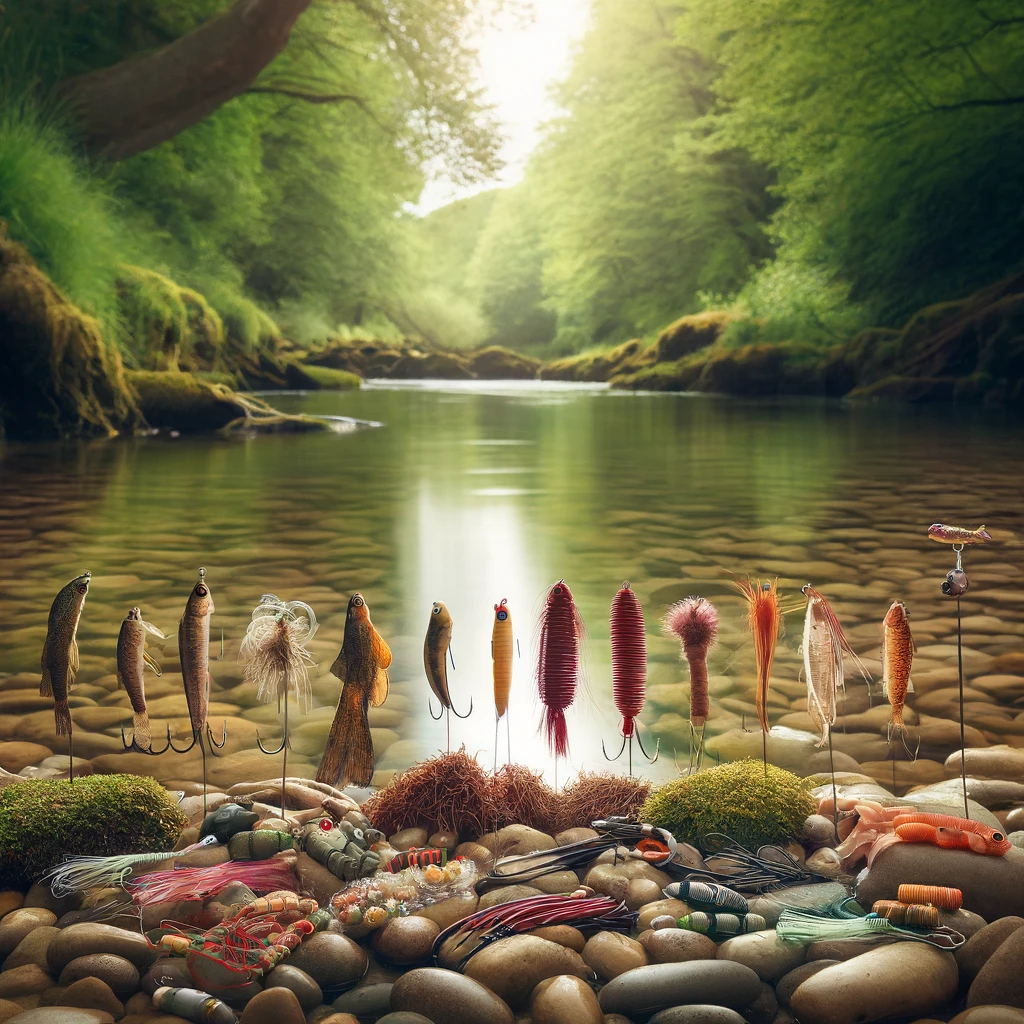
  1. Worms: Live worms, such as nightcrawlers or red wigglers, are very effective because they’re a natural part of the diet of many creek fish. They can be used on a simple hook setup and are especially good for catching trout and panfish.
  2. Insects: Live insects like crickets, grasshoppers, and mayflies are excellent for mimicking natural prey. These work particularly well in areas where fish are used to feeding on surface insects.
  3. Small Minnows: Live or artificial minnows can be very effective, particularly for predatory species like small bass or larger trout. The swimming action of the minnows attracts attention in moving waters.
  4. Artificial Flies: If you’re fly fishing, using artificial flies that mimic local insects can be very successful. Patterns like nymphs, dry flies, and streamers are all useful depending on the type of fish and the current conditions.
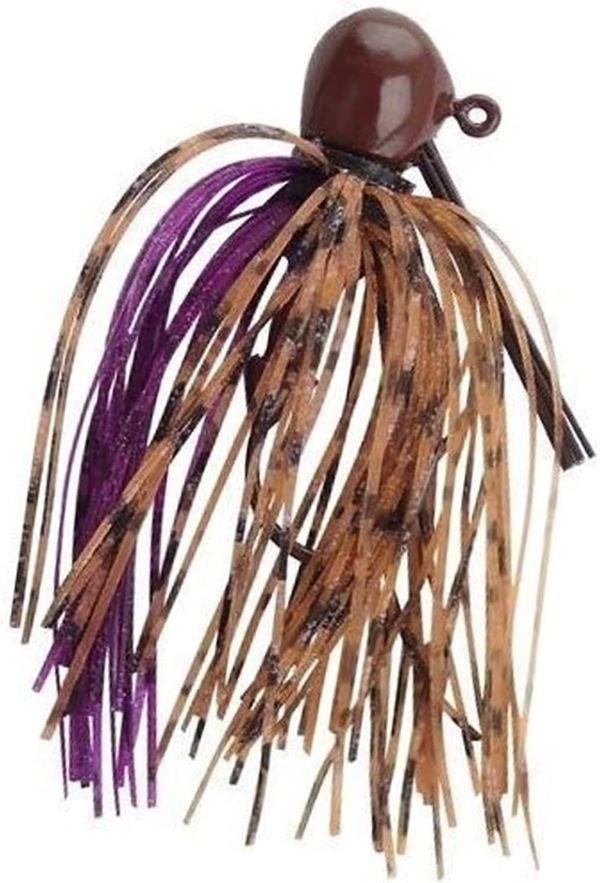
  5. Jigs: Small jigs, typically 1/16 to 1/32 ounce, can be very effective for creek fishing. They can mimic a variety of prey items from small fish to aquatic insects, depending on how they’re used.
  6. Spinners: Small spinnerbaits with a flashy spinner blades can attract fish by reflecting light and creating vibration. These are ideal for more aggressive fish like small bass or trout.

When fishing in small creeks, it’s also important to use lighter tackle and smaller hooks to match the smaller size of the creek’s fish. This not only makes the fight more enjoyable but also reduces the risk of injuring the fish.

Tailored Baits for Targeted Success: Matching the Right Baits to Creek Fish Species

let’s delve deeper into the specific types of baits that are particularly effective for various fish species commonly found in these environments:

Exploring Baits for Common Creek Fish

  1. Trout: Often the stars of small creek fishing, trout respond well to live worms like nightcrawlers and red wigglers, which mimic their natural diet. When these are not available, artificial flies—especially nymphs and dry flies—are perfect for imitating the small insects that trout feed on.
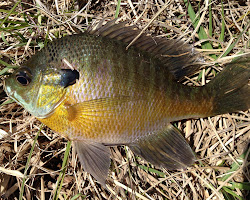
  2. Panfish: Including bluegills and sunfish, these small but feisty fish are particularly attracted to insects. Using live baits such as crickets or grasshoppers can yield great results. For those who prefer artificial baits, small jigs or soft plastic grubs in bright colors can be very effective.
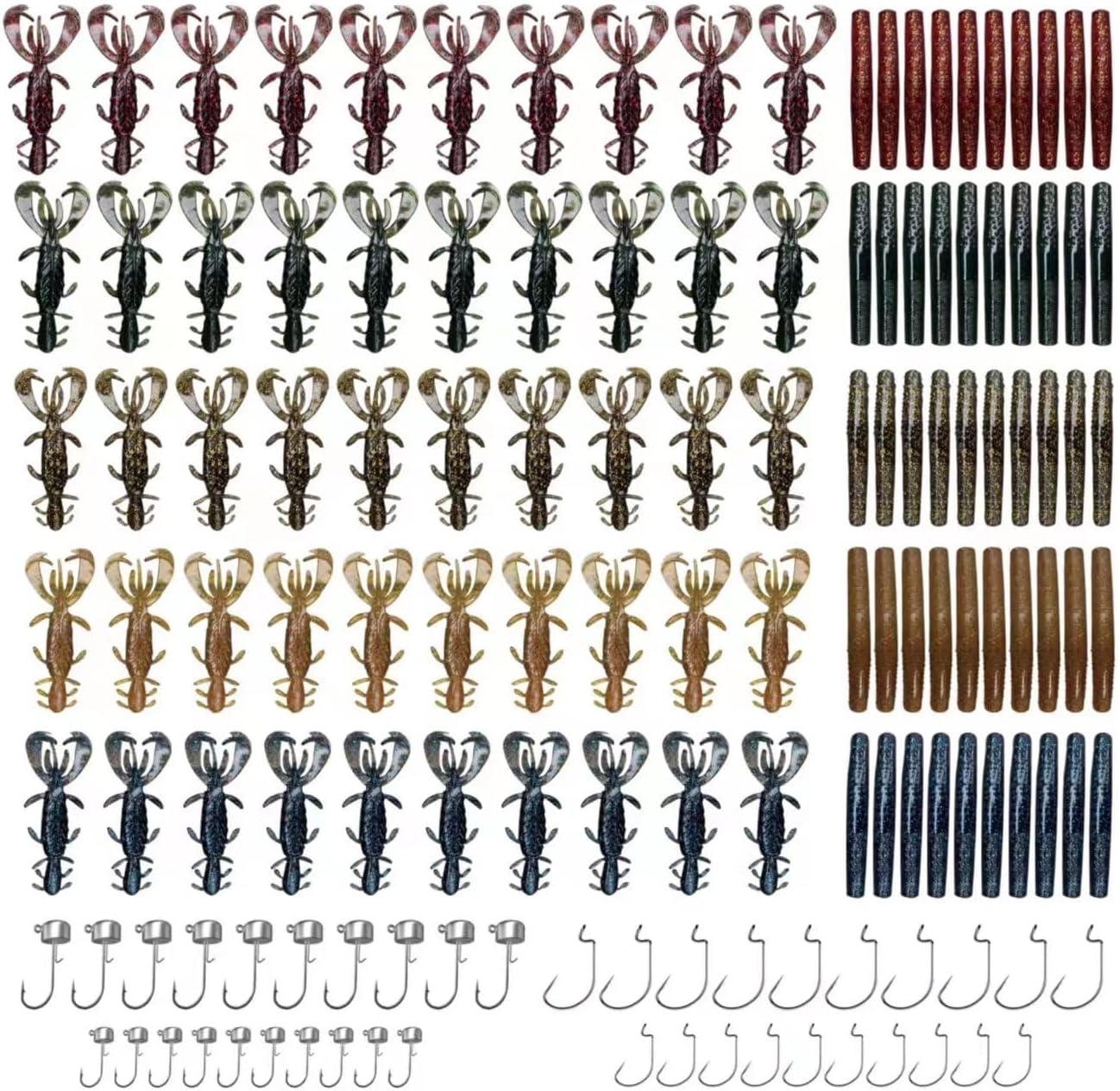
  3. Smallmouth Bass: This species, while larger than most creek fish, can still be targeted in streams. Small live minnows or artificial minnows work well, as do crayfish imitations, which are part of their natural diet. Soft plastics rigged on light jig heads can also be productive, particularly in natural shades that blend into the creek environment.
  4. Creek Chub: A common yet often overlooked creek resident, creek chub can be caught using simple baits like dough balls or small pieces of worm. For a more active approach, tiny spinners that flash in the light can be irresistible to these curious fish.
  5. Brook Trout: For those in clearer, cooler waters, brook trout are a delight to catch. They are particularly responsive to flies that simulate aquatic insects, but small spinners can also work well in stirring their interest without spooking them.
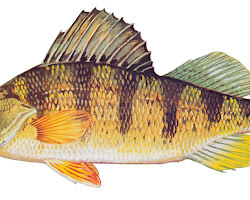
  6. Perch: Yellow and white perch can be found in deeper pools of creeks and respond well to small minnows or worms. Lightweight spoons that create a subtle flash in the water can also attract perch, especially on sunny days when the light reflects off the metal.

By using these targeted approaches and adjusting your tactics to the type of fish you’re after, you can enhance your creek fishing experience. Remember, the key to successful small creek fishing lies in the subtlety of your approach and the ability to adapt to the preferences of the local fish. Whether using live bait or artificial alternatives, the right choice will not only increase your chances of a good catch but also make your fishing excursion more enjoyable.

Ideal Fishing Rod Characteristics for Creek Fishing:

1. Rod Length:

  • Short to Medium Length (5 – 7 feet): These lengths are best for small creeks because they offer greater accuracy and ease of handling. They allow for precise casting in confined spaces and are easier to maneuver when surrounded by dense foliage or uneven terrain.

2. Rod Action:

  • Fast to Moderate Action: A fast-action rod is responsive and bends mostly near the tip, which provides good sensitivity for detecting light bites and quick hook sets. Moderate action rods offer more flexibility, which is useful for a variety of lure types and fishing techniques used in creeks.

3. Rod Power:

  • Light to Medium Power: Light power rods are perfect for the smaller fish typically found in creeks, such as trout and panfish, using lighter lines and smaller lures. Medium power rods provide a good balance for slightly larger species or when using slightly heavier lures or baits.

4. Rod Material:

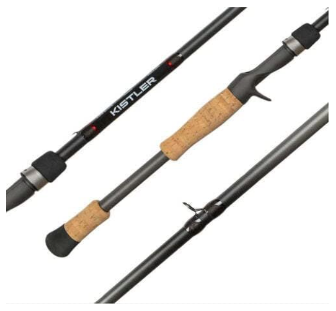
  • Graphite: For creek fishing, a graphite rod is often preferred because of its light weight and high sensitivity, allowing anglers to feel subtle bites and the bottom structure. Graphite rods are excellent for precise techniques and delicate presentations.

5. Handle Type:

  • Cork Handles: These are generally preferred for their comfort and sensitivity. They allow better transmission of vibrations through the rod to the angler’s hand, which is crucial for detecting subtle bites common in creek fishing.
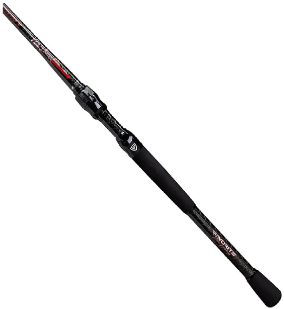
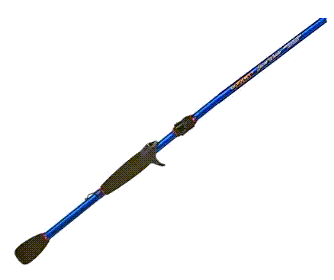
  • Rod: A 5.5 to 6.5-foot graphite rod with a fast to moderate action and light to medium power. This setup offers the best blend of sensitivity, precision, and versatility for creek environments.
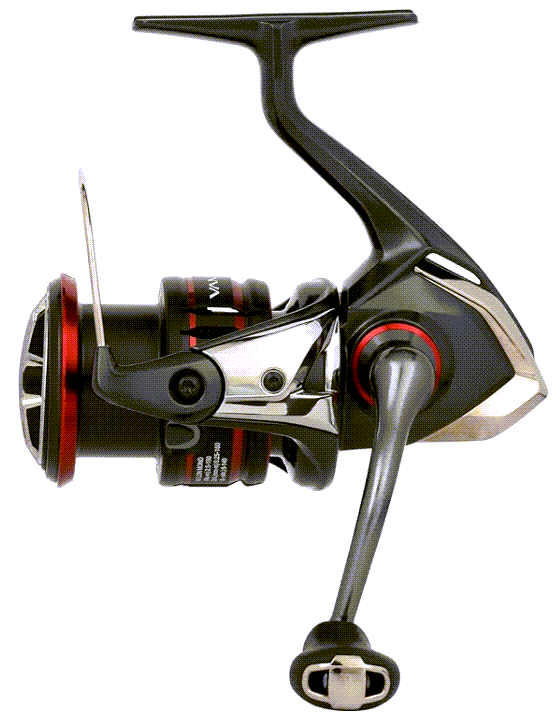
  • Reel: Pair the rod with a lightweight spinning reel for ease of use and balance. Spinning reels are preferable for their ability to handle lighter lines and lures, which are typical in creek fishing.
  • Line: Use a lighter line, typically 4-8 pound test, to match the light tackle setup and to ensure natural bait presentation, which is crucial in the clear waters of a creek.

This type of rod setup will allow you to effectively target a variety of fish species found in creeks, providing both the flexibility to use different lures and the precision needed for successful creek fishing.

Key Techniques for Stealth and Success

Stealth and Approach

  • Stay Stealthy: Fish in small creeks are often skittish due to the clear water and close quarters. Approach the creek quietly and try to stay out of direct sight. Avoid casting shadows on the water.
  • Wade Carefully: If you need to enter the water, move slowly and deliberately to minimize disturbance.

Casting Techniques

  • Short and Accurate Casts: Due to overhanging trees and bushy banks, long casts are usually not necessary or practical. Focus on making short and accurate casts to spots where fish are likely to hide, such as under logs, around boulders, or near undercut banks.
  • Bow and Arrow Cast: This technique is useful when fishing in areas with dense foliage. Hold the lure or fly in one hand and bend the rod with the other, then release it to “shoot” the bait into tight spots.

Choice of Lure or Bait

  • Match the Hatch: Use baits that mimic the natural prey in the creek, such as small insects, minnows, or crustaceans. Artificial flies, small spinners, and light jigs are effective.

Reading the Water

  • Identify Holding Spots: Fish often hold in areas where the current is slower, behind rocks, or where there is a sudden depth change. Cast into these areas and let your bait drift naturally with the current.
  • Look for Riffles and Pools: Riffles can hold smaller fish and insect larvae, which attract larger fish. The deeper pools that follow riffles are often resting spots for fish, making them ideal targets for your bait.

Adjust Your Strategy

  • Be Flexible: Be prepared to change your tactics based on what the fish are responding to. If one technique or bait isn’t working, switch to another until you find what works.
  • Seasonal Tactics: Keep in mind that fish behavior changes with the seasons. For example, trout are more likely to be found in faster-moving water in the summer as they seek oxygen-rich areas.

Using these techniques will not only increase your chances of success when fishing in small creeks but also enhance your overall experience by aligning your strategies with the natural behavior and habitat of creek fish.

Wading through a creek is an enjoyable and memorable way to enjoy the summer and stay cool. However, it’s important to stay safe and prepared. Always keep your phone handy and stay alert to your surroundings. Bring along a variety of small lures and the most adaptable rod you have. Whenever possible, move upstream, aiming for shaded areas, shoals, wood, and any other features that disrupt the current. Above all, remember to have fun—that’s the essence of creek fishing!

Choosing the Perfect Fishing Line for Your Spinning Reel

Choosing the Perfect Fishing Line for Your Spinning Reel

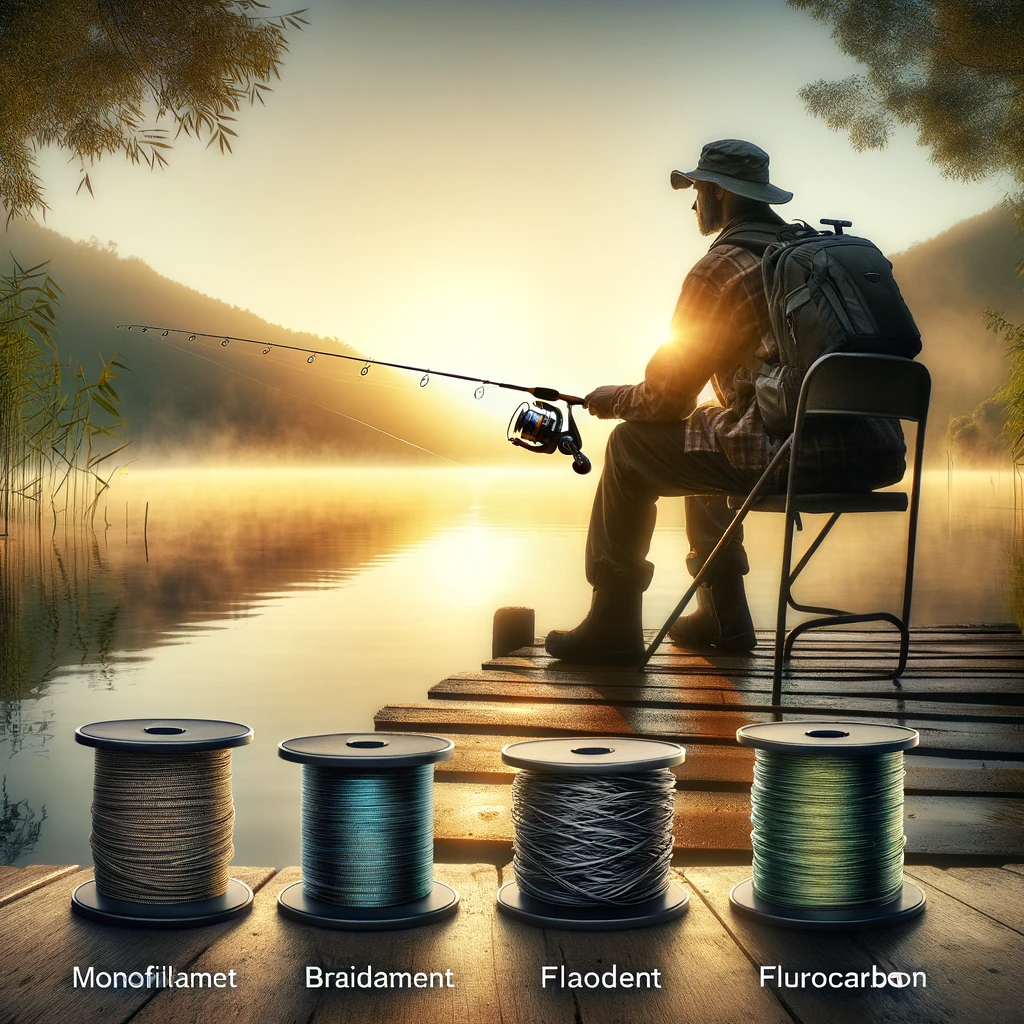
Selecting the right fishing line for your spinning reel is crucial for both novice and experienced anglers alike. The choice of line can significantly impact your fishing success, influencing everything from casting distance to the sensitivity of bites. There are several types of lines commonly used in spinning reels, each with its own set of characteristics and advantages:

  • Monofilament: This type of line is versatile and offers a balance of stretch and durability, making it a popular choice for many anglers.
  • Braided: Known for its strength and minimal stretch, braided line allows for longer casts and better sensitivity, making it ideal for detecting light bites.
  • Fluorocarbon: With its near invisibility underwater and excellent abrasion resistance, fluorocarbon is perfect for clear waters and wary fish.

Understanding these options and their applications will help you make an informed choice that enhances your fishing experience.

Understanding Different Types of Fishing Lines

Monofilament Lines

Monofilament lines are praised for their ease of use and general versatility, making them a great choice for beginners and seasoned anglers alike. They are characterized by a fair amount of stretch, which can cushion against sudden, aggressive strikes and provide better knot strength. Monofilament is best used in scenarios where you need a forgiving line, such as when fishing with live bait or in cover where the fish might pull hard against obstacles.

Braided Lines

Braided lines are favored for their incredible strength relative to diameter and almost zero stretch, which greatly enhances sensitivity. These properties allow anglers to feel even the slightest nibbles, making them excellent for techniques requiring precision and direct contact with the lure. Braided lines are particularly advantageous in deep water or when fishing in strong currents where line sensitivity and the ability to maintain a tight line are critical.

Fluorocarbon Lines

Fluorocarbon lines are valued for their near invisibility underwater, thanks to their light refraction index similar to water. This makes them ideal for clear water conditions and targeting skittish fish. Additionally, fluorocarbon offers excellent abrasion resistance, making it suitable for fishing around sharp rocks and submerged structures. Its low stretch also provides good sensitivity, though not quite as much as braided lines.

Each of these line types brings specific benefits to spinning reel setups, catering to different fishing environments and techniques.

Key Considerations When Choosing a Fishing Line

Line Strength and Durability

Selecting a fishing line with the appropriate strength (test) is critical to match the expected fish size and fishing conditions. A stronger line can handle larger, more aggressive fish and tougher conditions, but it may be more visible in the water. Durability is also important, especially when fishing in environments with lots of obstacles, such as rocks and logs, which can wear down a line quickly.

Line Memory and Manageability

Line memory refers to the tendency of a line to coil or retain the shape it was in when spooled. High memory can cause issues such as tangles and poor casting performance. Low-memory lines are easier to manage and provide smoother casts. Each line type offers different levels of memory; for example, monofilament tends to have higher memory than braided lines.

Compatibility with Reel and Environment

The choice of line should also consider the type of reel and the fishing environment. Some lines are better suited for certain reels; for instance, braided lines work well with spinning reels due to their thin diameter and lack of stretch. Additionally, environmental factors like water clarity and underwater structure should influence line selection, such as choosing a fluorocarbon line in clear water due to its low visibility.

Recommendations from Experts and Anglers

From the lively discussion on the In-Depth Outdoors forum, anglers emphasize choosing a line based on specific conditions and personal experience, advocating for various brands like Power Pro and Sufix 832 for their reliability and performance across different fishing scenarios. The KastKing buying guide, aimed primarily at beginners, recommends focusing on braided and fluorocarbon lines for their low stretch and good visibility underwater, respectively. Both sources highlight the importance of matching the line to both the fishing environment and the angler’s style, suggesting that personal preference and the technical properties of the line should guide the selection process.

For a more in-depth exploration of these recommendations, you can view the full discussion and guide through the respective links: In-Depth Outdoors forum and KastKing Buying Guide.

The Wacky Warmouth: An Angler’s Delight

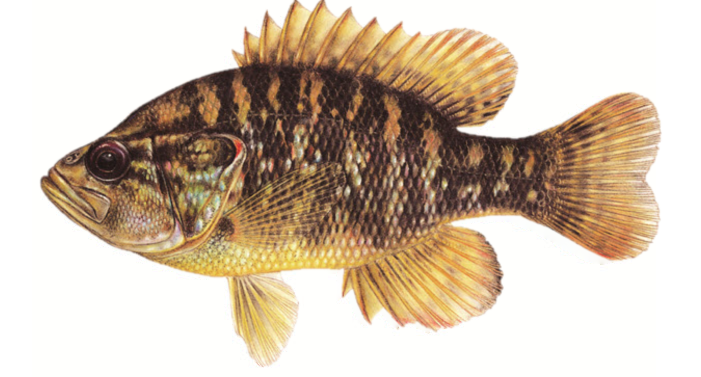
Warmouth Fish

Have you ever fished for Warmouth?

These vibrant panfish may not be the first species that springs to mind, but they offer a surprisingly enjoyable fishing experience. Dive into the world of Warmouth fishing, where we explore their unique characteristics, preferred habitats, and how to catch them effectively.

Meet the Warmouth Panfish:

Warmouth, easily identified by their extended ear flap, our known for their scrappy fighting spirit. Smaller than their bass cousins, they nonetheless put up a respectable fight, ideal for light tackle enthusiasts. Their vibrant colors and distinctive dark spots on their gill cover make them not only fun to catch but also a treat to watch.

Exploring Warmouth Habitats:

Warmouth thrive in environments rich in structure, which they use to ambush prey. Prime Warmouth habitats include:

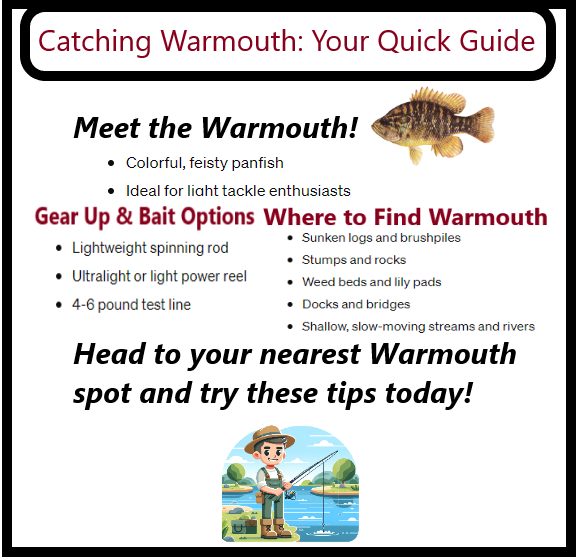
  • Sunken logs and brushpiles
  • Stumps and rocks
  • Weed beds and lily pads
  • Docks and bridges
  • Shallow, slow-moving streams and rivers

Bait and Gear Recommendations:

To catch Warmouth, you’ll need the right gear and bait. Opt for a lightweight spinning rod paired with a reel spooled with 4-6 pound test line. This setup enhances lure presentation and the overall enjoyment of the fight. When it comes to bait, Warmouth are opportunistic feeders. Effective options include:

  • Live bait: Nightcrawlers, worms, minnows, crickets
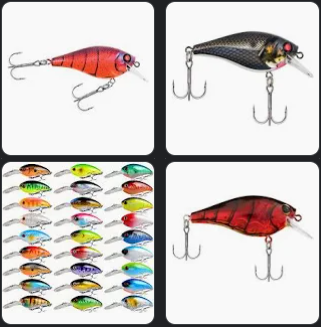
  • Small crankbaits: Mimic crayfish or small baitfish in crawfish or shad patterns
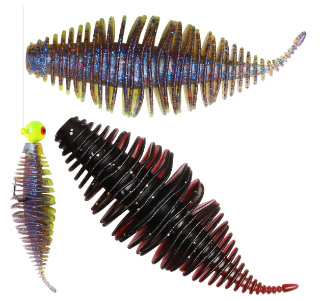
  • Jigs: Use brightly colored 1/16 oz – 1/8 oz jigs, tipped with plastic worms or grubs
  • Flies: Small nymphs, streamers, or wet flies are great for fly fishing

Techniques for Successful Warmouth Fishing:

Presentation is crucial when targeting Warmouth. Cast your bait or lure near structures and let it sink slowly. Employ a light jigging motion or slow retrieve to entice these fish to strike. Remember, finesse is key to attracting these crafty panfish.

Enjoy Your Catch:

Warmouth are not only fun to catch but are also delicious to eat, making them a perfect addition to any fish fry. However, catch and release is encouraged to help maintain their populations for future anglers.


Conclusion: Next time you’re by the water, consider casting a line for Warmouth. With their abundance, spirited fights, and stunning appearance, they’re sure to provide a delightful change of pace from your usual fishing routine. Share your Warmouth fishing stories and tips below and join our community of enthusiastic anglers!

What to Pack in Your Tackle Box Before Hitting the Water Fishing 101

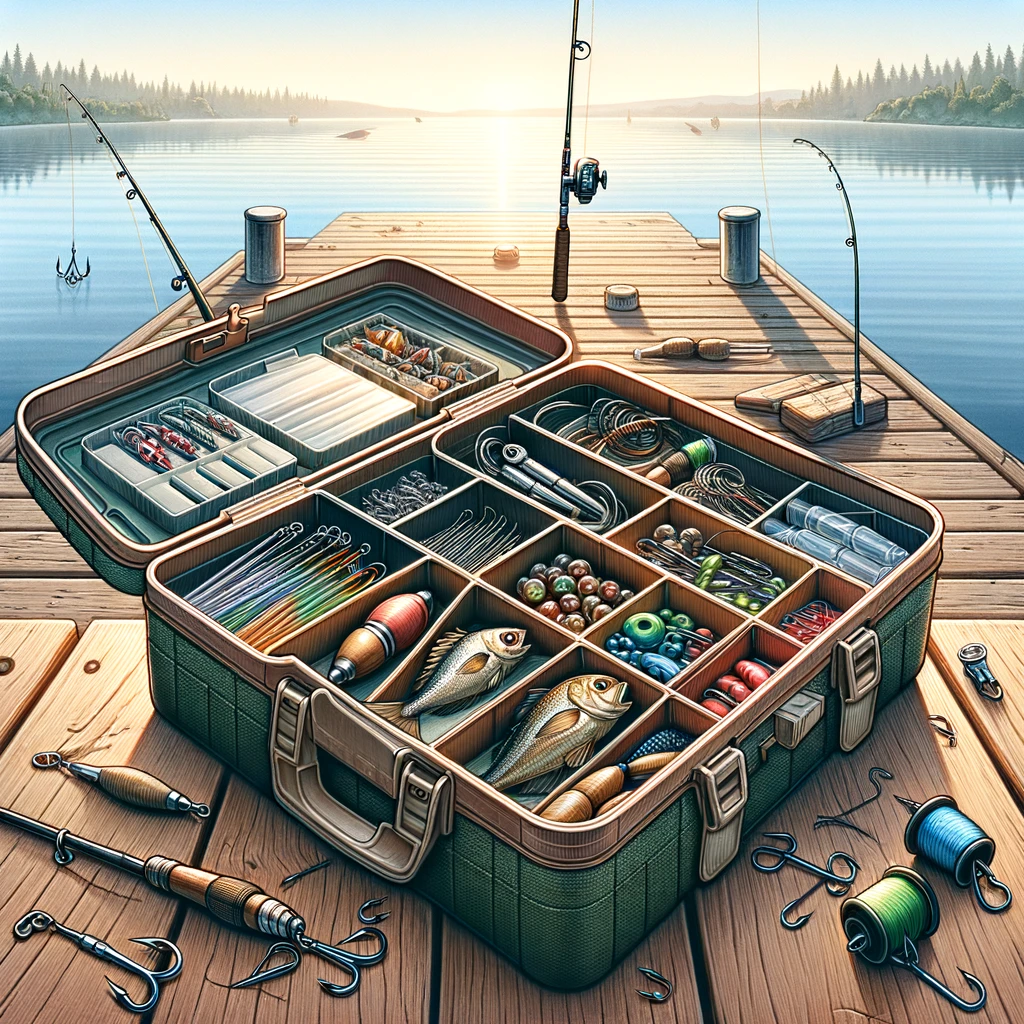
What to Pack in Your Tackle Box Before Hitting the Water

Imagine it’s a beautiful morning and you’re about to set off on your first fishing trip. You’re standing at the water’s edge, fishing rod in hand, excitement building. But wait—do you have everything you need to turn this trip from a mere outing into a grand adventure?

Nothing spoils a fishing day faster than missing essential gear. So, let’s make sure your tackle box is packed with everything you need to enjoy a successful day of fishing, shall we?

The Absolute Must-Haves for Every Angler

1. Hooks – Variety is Key: First things first, you can’t catch a fish without a hook. Stock an assortment of sizes and types to match the fish you’re aiming to catch. From tiny size 10 hooks for small fish like panfish to larger ones for bass, being prepared is your first step to fishing success.

2. Line – More Than Just a String: Fishing lines can fray or break, so having extra line in your tackle box is crucial. Whether you’re battling a trophy fish or snagging on a log, a strong, suitable line is a game-changer. Choose between monofilament, fluorocarbon, or braided lines based on the water clarity and the ruggedness of the environment.

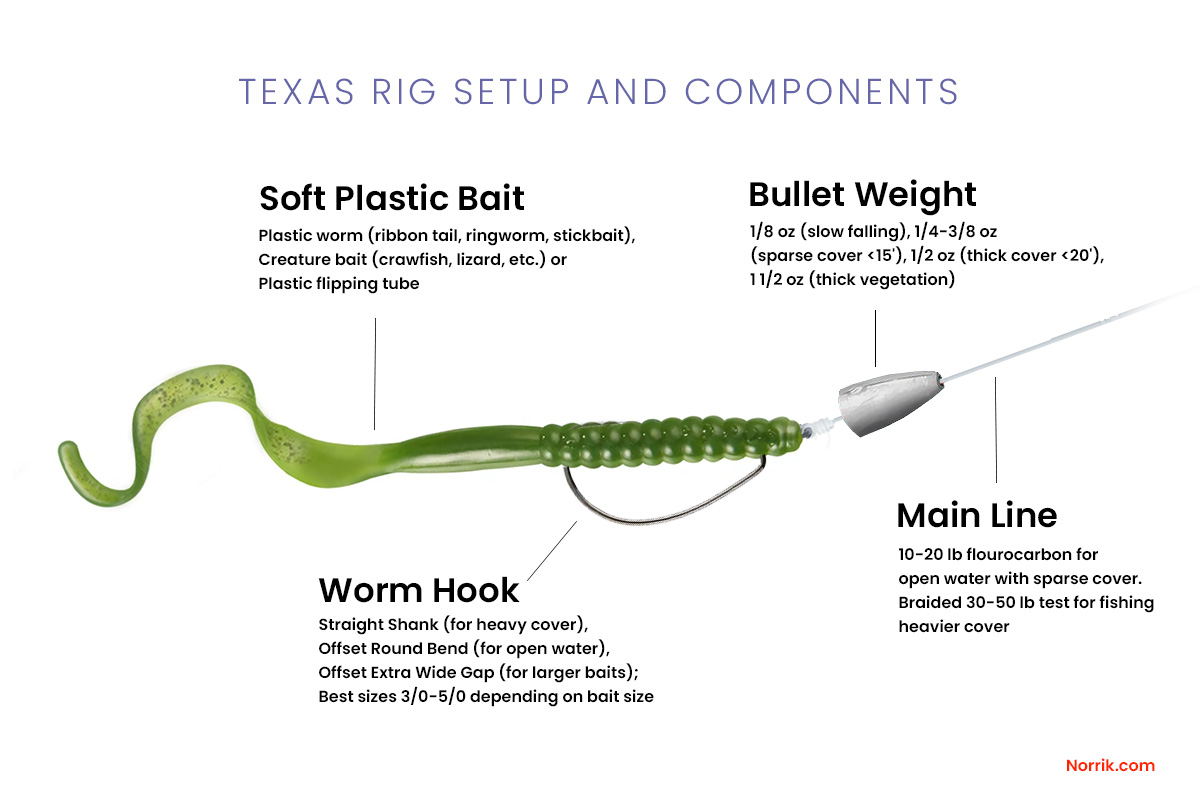
3. Sinkers – Get Down to Business: Since your bait and hook float, you’ll need sinkers, little weights, to pull them down. If you’re fishing in currents or deeper waters, having a variety of sinkers ensures your hook goes right where the fish are.

4. Floaters/Bobbers – Spot Your Fish: Bobbers help you see when fish are biting your bait. When the bobber starts to jiggle or gets pulled underwater, it’s go time! They also keep your bait at the precise depth where fish are swimming.

5. Swivels – Avoid the Twist: Swivels might seem like a minor detail, but they prevent your line from twisting and turning, which can be crucial during a long day of casting and retrieving.

6. Lures – The Tricksters: The right lure mimics the fish’s natural prey. Include various lures in your tackle box to adapt to different conditions and preferences of the fish.

Ready to Catch More Fish This Summer?

Beyond the Basics – The Extras That Make a Difference

7. Needle Nose Pliers: These are lifesavers for removing hooks from fish or fixing broken tackle.

8. First Aid Kit: Always be prepared for minor injuries with some basics like band-aids, antiseptic wipes, and tweezers.

9. Line Cutter: Sometimes you just need to cut your losses—literally. A good line cutter is faster and safer than using a knife.

10. Sunscreen and Insect Repellent: Protect yourself from more than just the fish. Sunburn and bug bites can end your fishing trip earlier than planned.

Get all this at Amazone

Wrapping It Up

Now that you know what essentials need to be in your tackle box, you’re almost ready to hit the water. Remember, fishing is not just about catching fish; it’s about enjoying the tranquility of nature, the thrill of the catch, and the satisfaction of being well-prepared. Your adventure begins the moment you pack your tackle box. So load it up, head out, and make some unforgettable memories! Happy fishing!

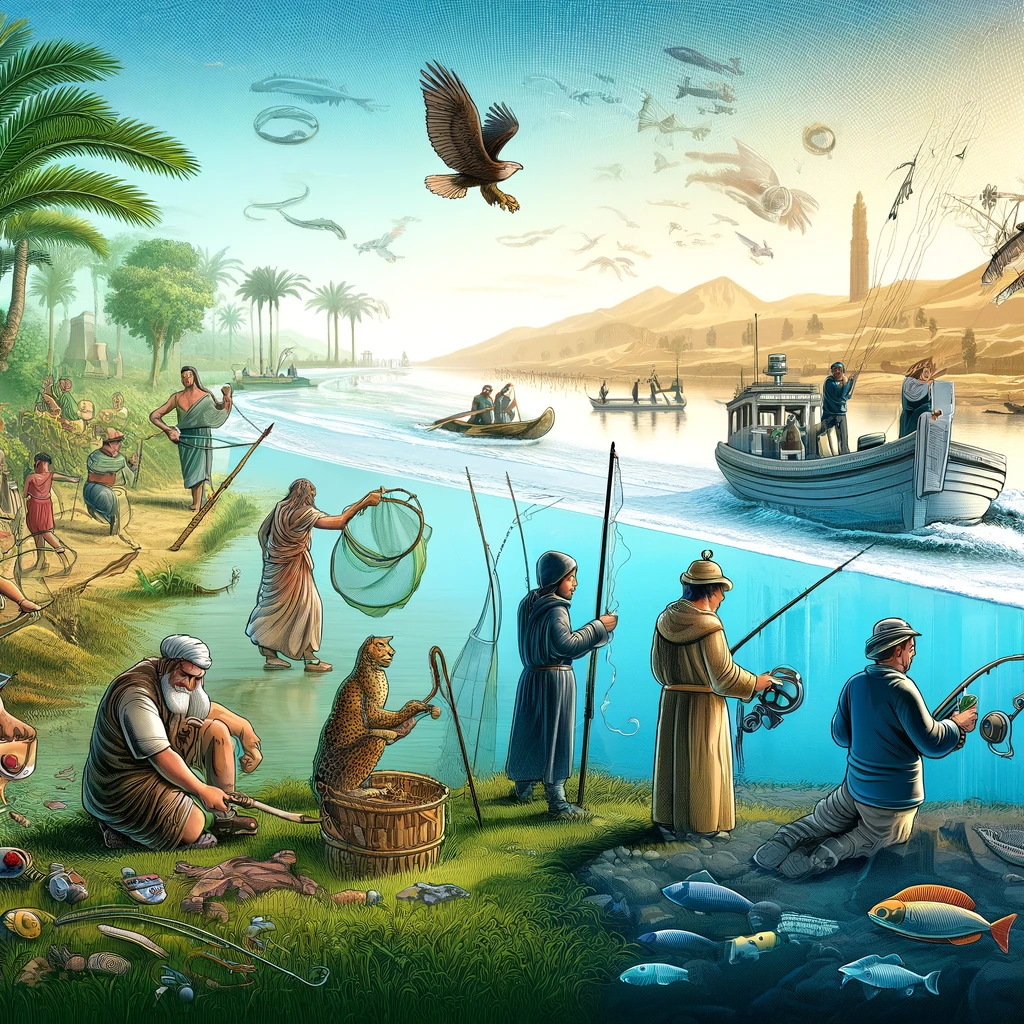
History of Fishing Through the Ages

History of Fishing Through the Ages

Balancing Sustainability and the Thrill of the Catch

Fishing is an ancient practice that dates back to at least the Upper Paleolithic period, which began about 40,000 years ago. Here’s some evidence to support this:

  • Isotopic analysis: Scientists have analyzed the skeletal remains of Tianyuan Man, a 40,000-year-old modern human from East Asia, and found evidence that he regularly consumed freshwater fish.
  • Archaeological features: Discoveries of shell middens (piles of discarded shells), discarded fish bones, and cave paintings depicting fishing scenes all point towards seafood being a significant part of the diet for early humans.

The story of fishing is one of remarkable ingenuity and adaptation. From the rudimentary tools of our ancestors to the high-tech gear of today, humans have constantly strived to improve their relationship with the water and its bounty. However, this pursuit has come at a cost.

A Reel Revolution in Fishing Techniques

Fast forward from the rudimentary tools of prehistory to around 3500 BCE in Egypt, and we witness a significant leap in fishing technology. This era saw the rise of more sophisticated methods, transforming fishing from a basic survival tactic to a skilled art.

Egyptian Innovations: Nets and Rods

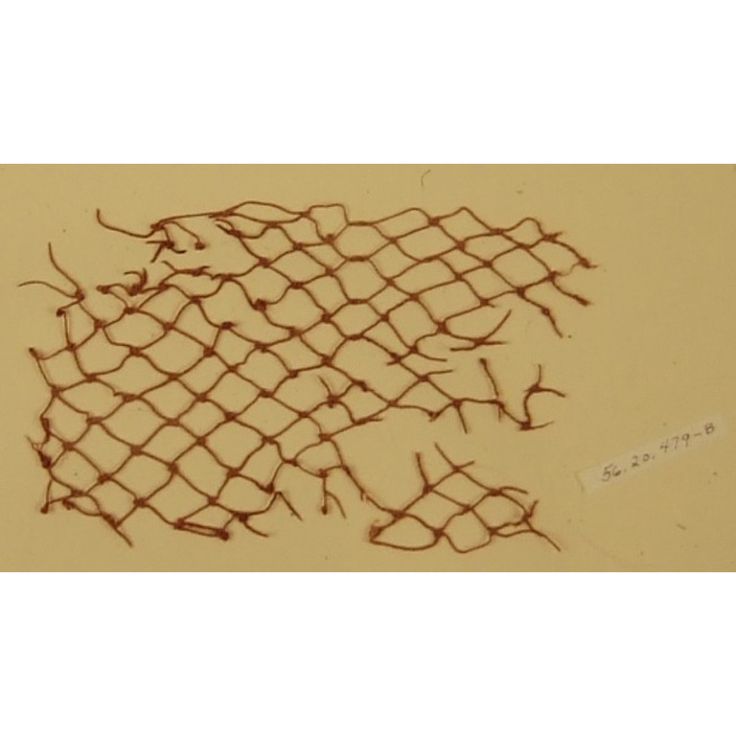
Egyptian Nets

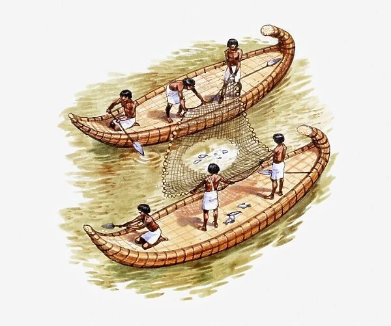
The Egyptians, known for their ingenuity, pioneered the use of nets, woven from plant fibers or reeds. These nets, deployed in various sizes and shapes, allowed for the capture of multiple fish at once, significantly increasing the efficiency of the catch.

Alongside nets came the innovation of fishing lines and rods. Imagine the patience and skill required to create a line strong enough to hold a struggling fish, and a rod that offered leverage for reeling it in. These tools marked a turning point in angling, allowing for targeted fishing of specific types of fish.

Global Contributions to Fishing Techniques

But the Egyptians weren’t the only ones casting their lines into history. Other ancient cultures developed their own unique fishing techniques:

The Greeks


Renowned for their love of the sea, the Greeks employed a variety of methods depending on the target catch. They used long lines with multiple hooks for bottom feeders, while also utilizing wicker traps and cleverly designed weirs to funnel fish into enclosed areas. Notably, the Macedonians are credited with being some of the earliest users of artificial flies, a technique still employed by fly fishermen today.

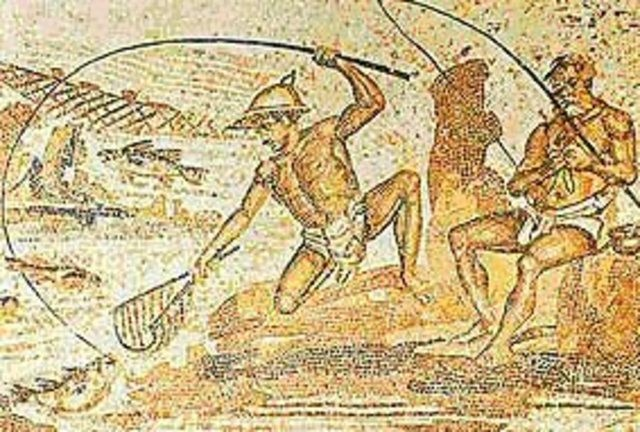
The Romans

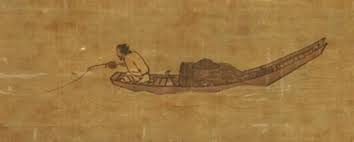
ancient Romans fishing


While not known for their prowess in fishing, the Romans did contribute significantly to the practice through their advancements in aquaculture. They constructed elaborate fish ponds for raising fish, a practice that laid the foundation for modern fish farms.

The Chinese

ancient Chinese fishing

With a long and rich history of fishing, the Chinese developed a vast array of techniques. They employed intricate cast nets for catching surface fish, while also utilizing trotlines – long lines with multiple baited hooks suspended in the water. Additionally, the Chinese are credited with the invention of multi-barbed hooks, significantly increasing the effectiveness of their fishing efforts.

The Impact of Early Fishing Technology

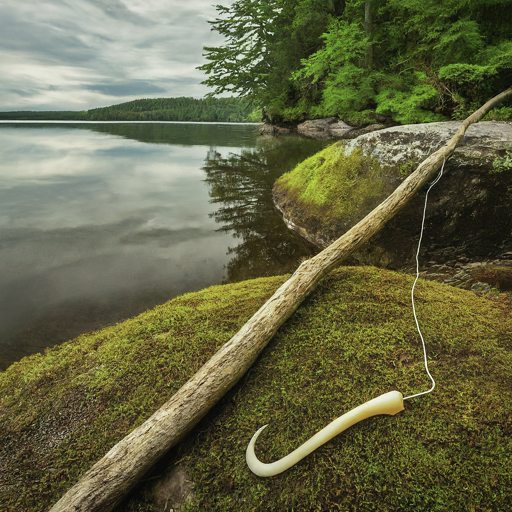
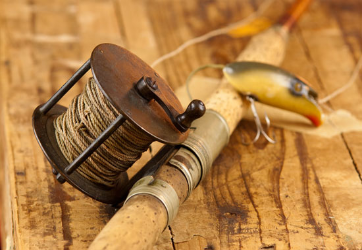
ancient rods


This rise of specialized fishing gear in various civilizations showcases the ingenuity and adaptability of early cultures. By tailoring their tools to specific environments and fish species, they maximized their catch and secured a more reliable source of food. These advancements paved the way for further innovations in fishing practices, laying the groundwork for the angler’s toolkit we recognize today.


Exploring Fishing Across Continents

The lure of the catch wasn’t confined to a single corner of the globe. As humanity ventured across continents, the art of fishing spread, adapting and evolving in fascinating ways. Let’s embark on a journey across diverse cultures and see how they mastered the art of extracting bounty from the water.

Sharing Techniques, Shaping Traditions

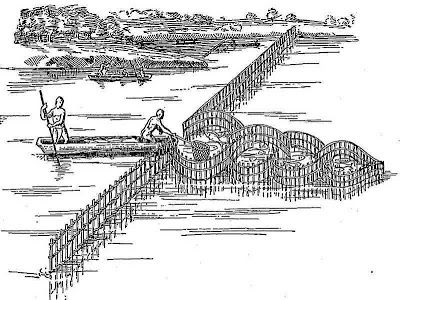
The spread of fishing techniques wasn’t a linear process. Trade, migration, and cultural exchange played a vital role. For example, the use of weirs, intricate structures that trap fish as water levels recede, spread from Asia to Europe and beyond, with each civilization adapting the design to their specific environment.

the use of weirs, intricate structures that trap fish

Indigenous Ingenuity

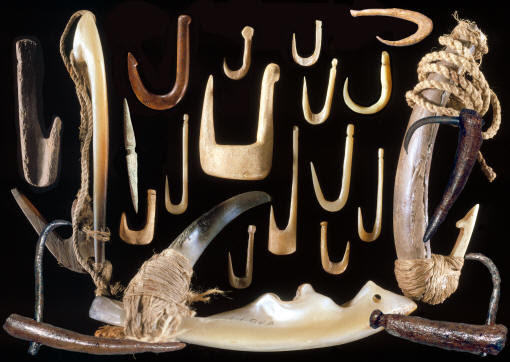
Across the globe, indigenous cultures developed unique methods to thrive. In the icy waters of the Arctic, Inuit communities relied on ice fishing, strategically carving holes through the ice and using bone hooks and lures to entice fish. In the warm Pacific, Polynesian cultures employed outrigger canoes, allowing them to venture far offshore and fish using barbed hooks made from shells or bone. In Africa, the use of fish traps woven from reeds or papyrus played a crucial role in sustenance along the continent’s vast waterways.

barbed hooks made from shells or bone.

Beyond Survival: A Cultural Tapestry

Fishing wasn’t just about putting food on the table; it often held deep cultural and religious significance. In some Native American tribes, salmon fishing was accompanied by elaborate ceremonies, honoring the fish and ensuring a bountiful harvest. The Egyptians revered certain fish as deities, and their intricate fishing practices were intertwined with religious beliefs. In Japan, the art of koi fishing transcended mere sustenance, developing into a symbol of perseverance and good fortune.

Boats Built for Bounty

The development of fishing boats played a crucial role in expanding humanity’s reach. From the sturdy Egyptian papyrus boats to the sleek Viking longships, each vessel was meticulously designed to navigate specific waterways and maximize fishing potential. The iconic dhow of East Africa, with its distinctive triangular sail, enabled fishermen to venture far out to sea, while the innovative catamarans of the Pacific Islands ensured stability on the open ocean.

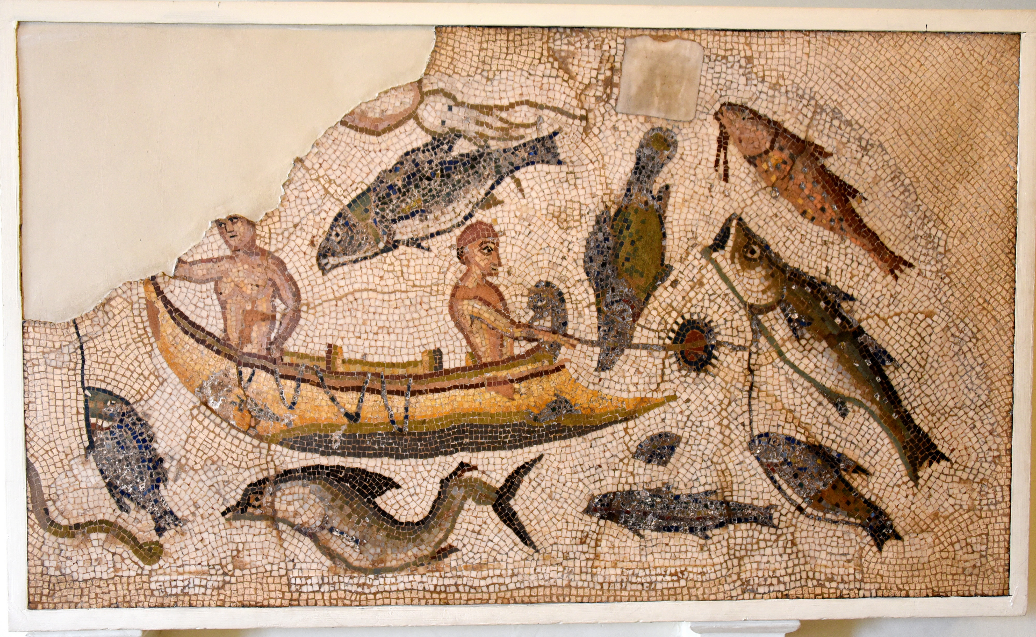
ancient fishing boats

This glimpse into fishing across continents reveals a rich tapestry of human ingenuity. From the practical innovations of traps and specialized boats to the cultural and religious significance ingrained in the practice, fishing has woven itself into the fabric of human history across the globe. As we move forward, understanding these diverse methods can help us appreciate the rich heritage of this age-old tradition and guide us towards sustainable fishing practices for generations to come.

How Technology Revolutionized Fishing Gear

Fishing has always been an intricate dance between human ingenuity and the wiles of the water. But throughout history, technological advancements have transformed this practice from a basic struggle for survival to a sophisticated pursuit enjoyed by millions. Let’s explore some key innovations that have redefined the art of fishing.

A Reel Revolution

For centuries, fishing relied on brute strength and patience. However, the 17th century ushered in a game-changer: the invention of the fishing reel. This seemingly simple device revolutionized angling. Now, anglers could cast lines further, fight stronger fish, and manage lines more efficiently. The fishing reel laid the groundwork for the development of specialized reels for different fishing styles, forever altering the way we interact with our catch.

Material Marvels

Technology’s impact extended far beyond the reel. The development of modern materials like nylon and other synthetic fibers in the 20th century brought a new era of fishing lines and nets. These materials were lighter, stronger, and more resistant to wear and tear compared to traditional options like silk or cotton. This not only increased the effectiveness of fishing but also made the gear lighter and easier to manage.

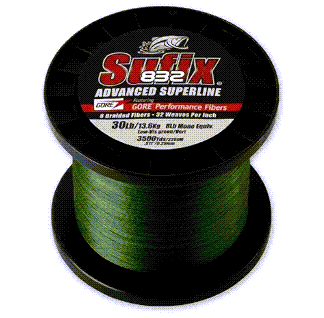
Sufix lines fishing nets

Seeing Through the Water

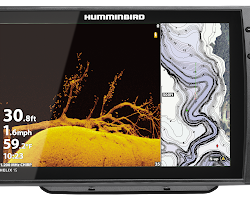
The 20th century also witnessed the rise of electronic marvels that transformed fish finding. Gone were the days of relying solely on intuition and experience. Sonar technology and fish finders allowed anglers to peer beneath the water’s surface, identifying fish locations and depths with unprecedented accuracy. This revolutionized fishing strategies, enabling targeted approaches and maximizing catch rates.

Humminbird fish finder

Technological Challenges and Conservation

These advancements haven’t been without controversy. The efficiency of modern gear has raised concerns about overfishing. However, technological innovation can also be a tool for conservation. For example, sonar technology can be used to assess fish populations and inform sustainable fishing practices.

The Future of Fishing Gear

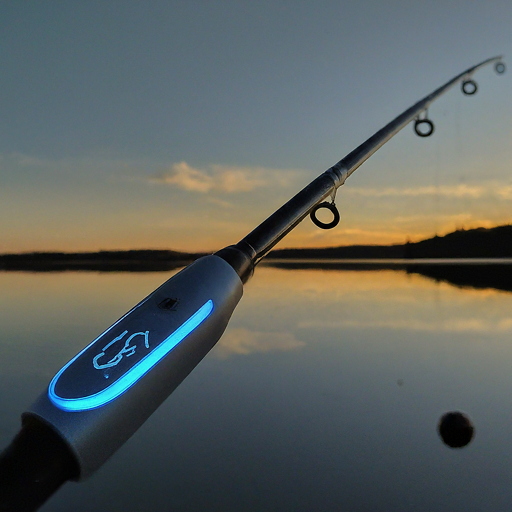
The future of fishing gear is likely to embrace even more sophisticated technologies. Imagine AI-powered fishing rods that adjust tension based on the catch, or virtual reality experiences that allow anglers to hone their skills in simulated environments.

AI-powered-fishing-rods

One thing remains constant: the human desire to connect with the water and the thrill of the catch. As technology continues to evolve, the tools we use to fish may change, but the core essence of this age-old practice – the respect for nature and the satisfaction of a successful catch – is sure to endure.

Balancing Sustainability and the Thrill of the Catch

The story of fishing is one of remarkable ingenuity and adaptation. From the rudimentary tools of our ancestors to the high-tech gear of today, humans have constantly strived to improve their relationship with the water and its bounty. However, this pursuit has come at a cost.

Troubled Waters

Overfishing and environmental changes pose significant threats to fish populations. Modern fishing techniques, while highly efficient, can deplete stocks faster than they can replenish. Climate change alters water temperatures and disrupts ecosystems, further jeopardizing the delicate balance of the aquatic world.

A Shift in the Tide

Thankfully, a growing awareness of these challenges has spurred the rise of sustainable fishing practices. Catch-and-release is gaining traction, allowing anglers to enjoy the thrill of the catch while returning healthy fish to the water. The use of eco-friendly equipment, like biodegradable fishing lines and lead-free weights, minimizes environmental impact.

Aquaculture: A Potential Solution?

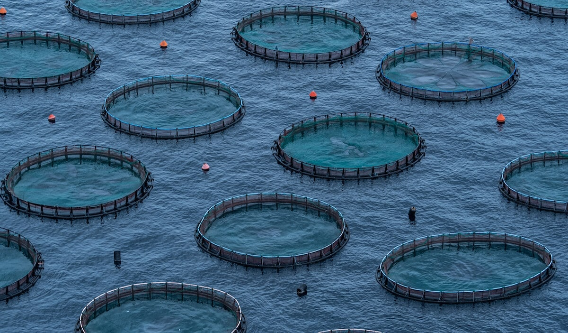
Aquaculture, or fish farming, offers a potential solution to meet the growing demand for seafood without relying solely on wild fish stocks. However, responsible aquaculture practices are crucial to ensure minimal environmental impact.

fish farming

A Hopeful Outlook

The future of fishing need not be a story of depletion. By embracing sustainable practices, advocating for responsible regulations, and supporting responsible aquaculture, we can ensure that the thrill of the catch continues for generations to come. Imagine a future where technological advancements like sonar are used to monitor fish populations and enforce sustainable fishing practices.

The key lies in striking a balance – enjoying the age-old tradition of fishing while ensuring the health of our oceans and the sustainability of this precious resource. By adopting a sense of stewardship, we can continue to cast a line for enjoyment and connect with the natural world, all while ensuring the waters remain teeming with life for the future. After all, a healthy future for fish is a healthy future for us all.

I would like to get into fishing. Where do I begin?

I would like to get into fishing. Where do I begin

Getting Started with Fishing

Understanding the Basics

At its core, fishing is about connecting with nature in a way that few other activities can match. It’s an opportunity to slow down, observe the rhythms of the water and wildlife, and learn about the delicate balance of aquatic ecosystems. But before you cast your line into the water, it’s important to grasp a few fundamental concepts:

  • Patience and Persistence: Fishing is a test of patience. Some days, the fish bite within minutes; other times, hours can pass without a nibble. Embrace each outing as a chance to learn and enjoy the experience, regardless of the day’s catch.
  • Continuous Learning: A fisherman’s journey is paved with continuous learning—from mastering different fishing techniques to understanding fish behavior and habitat. Every trip is an opportunity to gain new insights and improve your skills.
  • Respect for Nature: Fishing comes with a responsibility to protect and preserve natural waterways and fish populations. Practicing catch and release, following local fishing regulations, and being mindful of the environment are all part of being a conscientious angler.

Before you head out, it’s crucial to familiarize yourself with the legal aspects of fishing:

  • Fishing License: Most states require anglers to have a fishing license. Licenses contribute to conservation efforts, such as habitat restoration and fish stocking programs, ensuring the health and sustainability of fish populations for future generations.
    Check your state’s Department of Natural Resources (DNR) or equivalent agency for specifics.
  • Fishing Regulations: Regulations vary by state and sometimes by water body. They can include information on season openings, size and bag limits, and restricted areas.

    Adhering to these rules is essential for the preservation of fish species and their habitats.

Being informed and prepared is the first step toward a successful and enjoyable fishing experience. By understanding the basics and committing to responsible fishing practices, you’re not just participating in a cherished pastime; you’re also contributing to the stewardship of our planet’s precious waterways and aquatic life. 

As you gear up for your first fishing adventure, remember that each cast is a story in the making—a blend of anticipation, surprise, and sometimes, the catch of a lifetime. To learn more about the fishing regulations in your state please visit the National Park Service at https://www.nps.gov/subjects/fishing/index.htm

Essential Gear and Tackle for Beginners

The right gear and tackle.

This toolkit not only equips you for your first cast but also ensures you’re prepared for various fishing scenarios. Below, we’ll break down the essentials, from selecting the perfect rod and reel to understanding the purpose of each piece of tackle. With the right setup, you’ll be ready to tackle the waters and enjoy the fishing experience to its fullest.

Choosing the Right Fishing Rod and Reel

The heart of your fishing gear is the rod and reel combo. It’s essential to choose equipment that feels comfortable for you and is suitable for the type of fishing you’ll be doing.

  • Closed Spin-Casting Reels: Ideal for beginners, these reels feature a button release mechanism for casting, making them very user-friendly. They’re mounted on top of the rod’s handle, offering a comfortable pistol-like grip. This setup is forgiving for newcomers and helps in learning the basics of casting.
  • Open-Bail Spinning Reels: A step up in complexity, these reels offer more control and precision. Mounted under the rod’s handle, they require you to release the line with your index finger during the cast. Though slightly more challenging to master, an open-bail reel can be more versatile and rewarding as your skills progress.

When selecting a rod, ensure it’s light enough to hold comfortably for extended periods. Rods come in various lengths and flexibilities, each suited to different fishing styles and target species. A medium-action rod is a good all-rounder for beginners.

A note to you you do not have to go out and spend a lot of money on your first Rod And Reel you can pick one up for under $20 buck at your local Walmart or Pro Shop.

Examples:
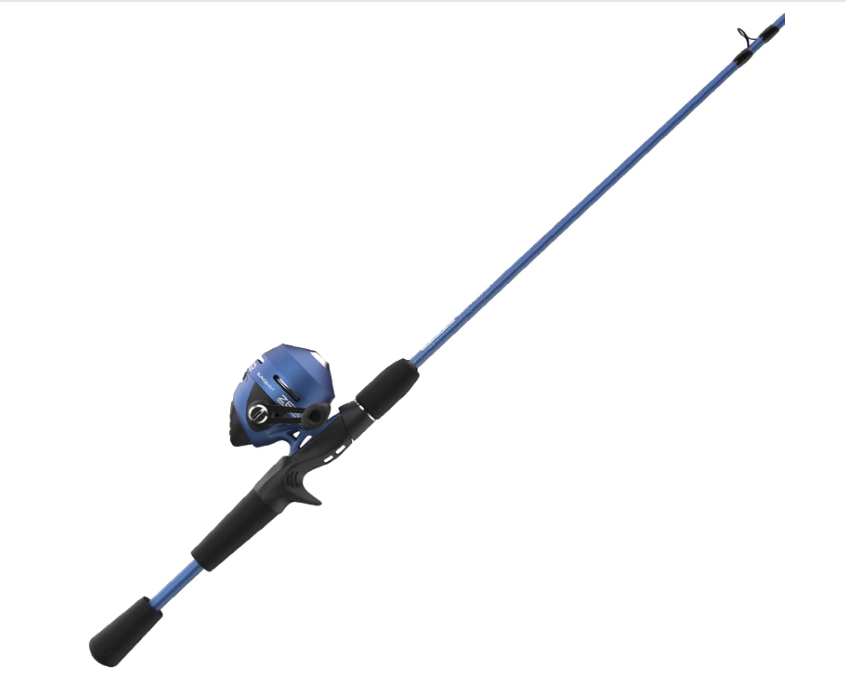
Amazon, Zebco Slingshot Spincast Reel and Fishing Rod $10.30
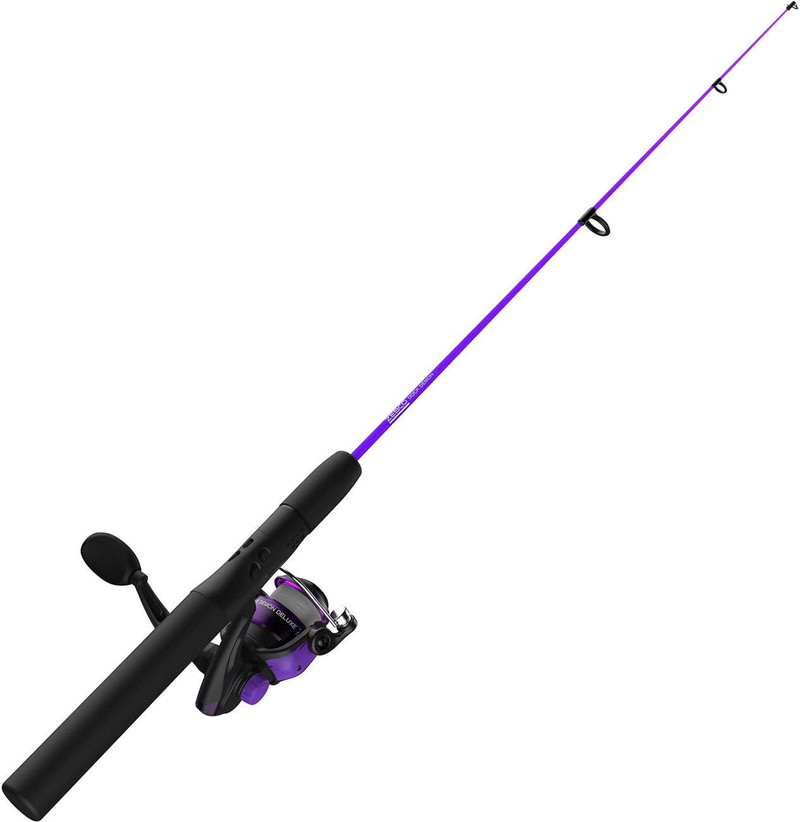
tackle direct, ZEBCO DOCK DEMON SPINNING COMBOS $15.99 
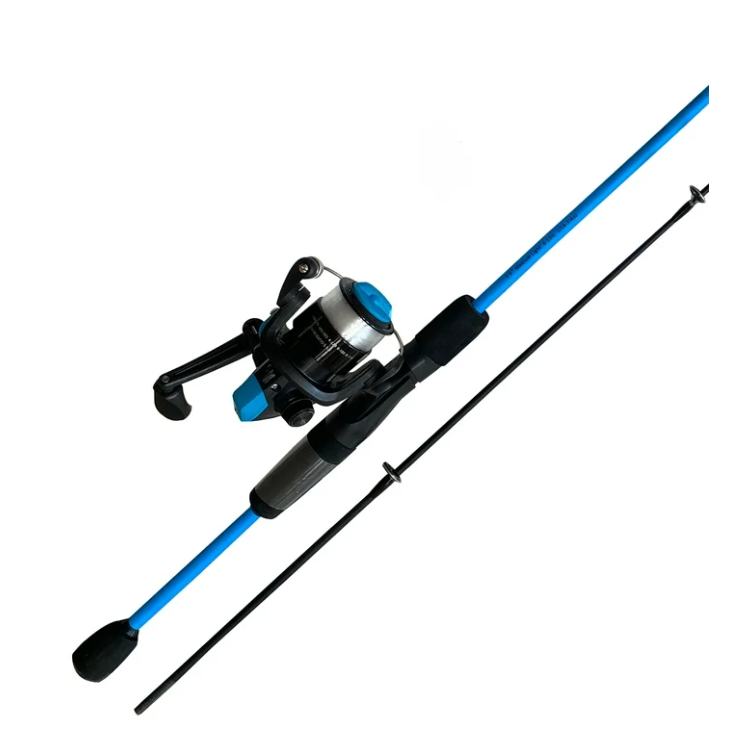
 

Walmart, Ozark Trail Wayfarer Spinning Fishing Rod and Reel Combo, Blue $9.98


Line, Hooks, Weights, and Bobbers

After choosing your rod and reel, it’s time to focus on the tackle that will help you catch fish.

  • Monofilament Fishing Line: This type of line is affordable, easy to use, and suitable for a range of conditions. For beginners, a 4- to 12-pound-test line is versatile enough for various freshwater fish.
  • Fishhooks: The size of your hook should match the size of the fish you’re targeting. Sizes 6–10 are good for many freshwater species. Remember, the larger the number, the smaller the hook.
  • Weights: Adding weights to your line helps sink your bait to the desired depth. They’re particularly useful in deeper water or when fishing in current.
  • Bobbers: Also known as floaters, bobbers signal when a fish is biting by moving up and down. They also help keep your bait at the correct depth. A simple plastic or cork bobber is easy to use and effective.

Again You do not need to break the bank for your first time out pick up a starter set from WM Pro Shop or Amazone to get you started. 

Quick links to starter sets 

Bait and Lures

Your choice of bait or lures can significantly affect your success. While live bait is often more attractive to fish, artificial lures can be more convenient and reusable.

  • Live Bait: Worms, minnows, and insects are common choices. Live bait is effective because it naturally attracts fish through movement and scent.
  • Lures: These artificial baits are designed to mimic the appearance and motion of prey. For beginners, simple spinners or spoons can be easy to use and are effective for a variety of fish.

Miscellaneous Essentials

  • Tackle Box: A good tackle box will keep your gear organized and easily accessible. Consider one with adjustable compartments to accommodate different-sized items.
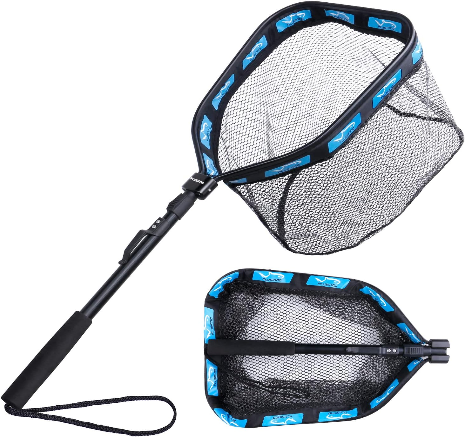
  • Net and Gloves: A net helps you land fish more easily and safely. Rubber gloves or a wet rag can protect both you and the fish during handling, especially important for catch and release.

Again here are some Cheap Options.

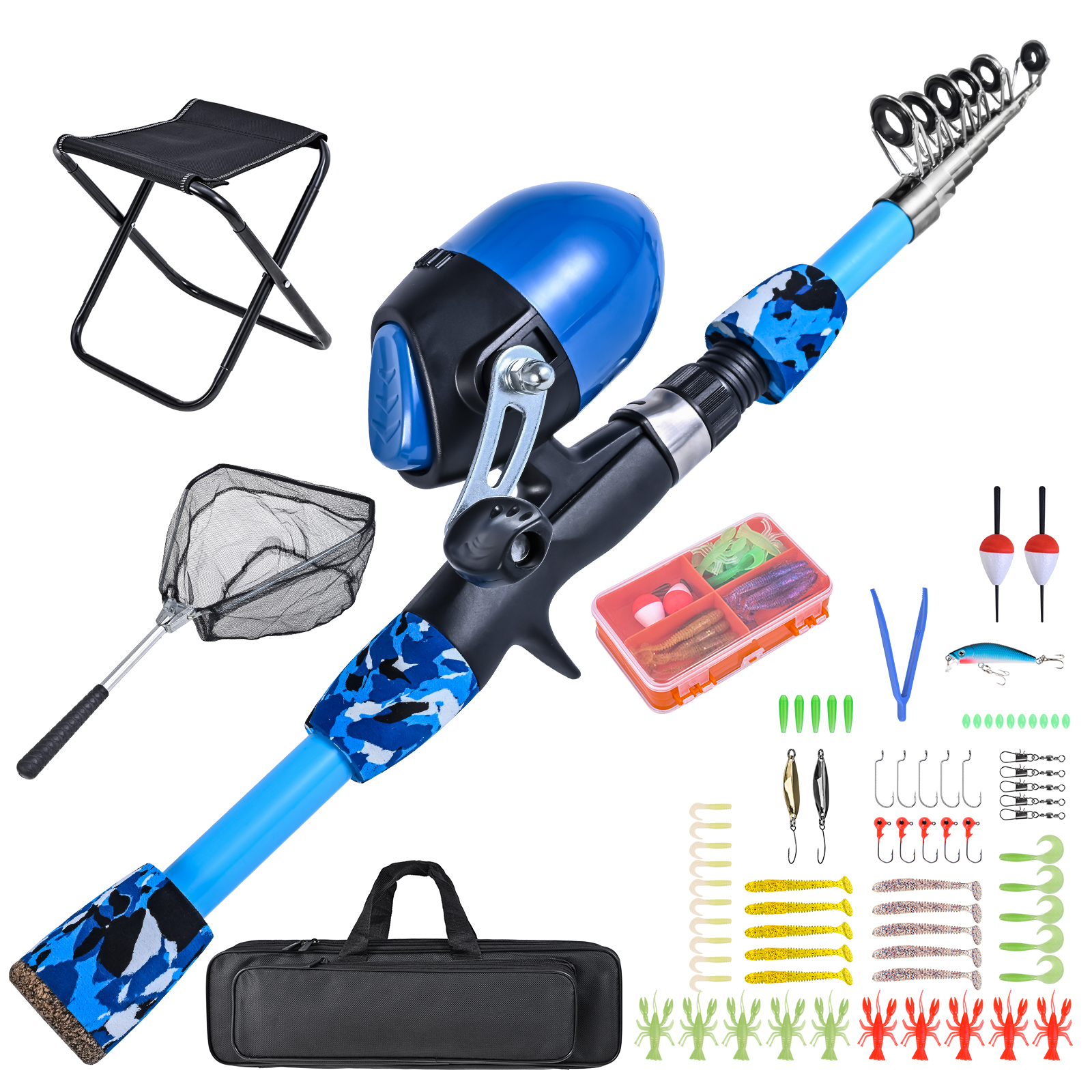
Blusea Kids Fishing Rod and Reel Combo Kit with Fishing Stool Landing Net Telescopic Fishing Pole Tackle Box

(3.6)3.6 stars out of 34 reviews34 reviews

$29.99

With this essential gear and tackle, you’re well on your way to a successful fishing adventure. Remember, the key is to start simple and gradually build your knowledge and equipment as you gain experience.

Each piece of gear plays a role in the art of fishing, and understanding how to use them effectively will enhance your enjoyment and success on the water.

Setting Up Your Fishing Rod

Properly setting up your fishing rod is crucial for a successful day on the water. This process, often seen as a rite of passage for many anglers, involves attaching your reel, threading your line, and securing your hook, weights, and bobber. 

The setup can vary depending on the type of fishing you’re doing, but the basics outlined below will get you started and ready to cast in no time.

Attaching Your Reel to the Rod

The first step in setting up your fishing rod is to securely attach the reel. This process is straightforward but essential for a smooth fishing experience:

  • Open the reel seat: This is usually done by twisting the components at the bottom of the rod to loosen them.
  • Insert the reel foot: Slide the foot of the reel into the reel seat. The reel should sit comfortably and be aligned with the guides of the rod.
  • Secure the reel: Tighten the reel seat around the foot of the reel until it is snug and does not wobble or rotate.

Threading the Line Through the Guide

Once your reel is attached, you’ll need to thread the fishing line through the guides of the rod:

  • Open the bail: If you’re using an open-bail spinning reel, make sure the bail is open to allow the line to freely pass through.
  • Thread the line: Start at the guide closest to the reel and thread the line through each guide towards the tip of the rod. Be careful not to miss any guides, as this can affect your casting and reeling.
  • Close the bail manually: Once the line is threaded, manually close the bail to secure the line in place.

Tying on a Hook and Attaching Tackle
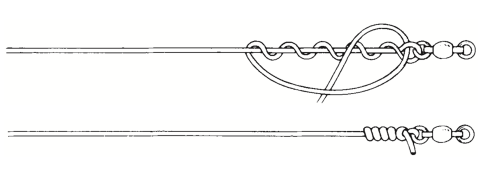
 

The final steps involve tying on your hook and attaching any additional tackle like weights and bobbers:

  • Tying a Hook: One of the most effective and popular knots for beginners is the Improved Clinch Knot. Here’s how to tie it:
    • Pass the line through the eye of the hook, leaving enough tail for wrapping.
    • Wrap the tail around the standing line 5 to 7 times.
    • Thread the tail through the small loop near the hook eye, then back through the loop you’ve just created.
    • Moisten the line (with water or saliva) to reduce friction.
    • Pull both ends of the line to tighten the knot securely against the eye of the hook.
  • Attaching Weights and Bobbers:
    • Weights: Clip on your weights 6 to 12 inches above the hook. This placement helps your bait sink to the desired depth and keeps it there.
    • Bobbers: Attach your bobber to the line above the weights. The distance between the bobber and the hook will depend on the depth of the water you’re fishing in.

      Most bobbers have a simple clip mechanism that makes adjustment easy.

Final Checks and Adjustments

Before you cast your line, do a final check to ensure everything is secure and correctly set up.

Make sure the line is not twisted around the rod, the knot is tight and trimmed close to the hook, and the tackle is appropriately placed for the depth you’re aiming to fish.

Setting up your fishing rod correctly is a fundamental skill that all anglers should master. With practice, these steps will become second nature, allowing you to focus more on the fishing experience itself. 

Learning to Cast: The First Step to Catching Fish

Mastering the art of casting is a pivotal skill for any angler. A well-executed cast places your bait or lure exactly where you want it, increasing your chances of a bite.

 Whether you’re using a closed spin-casting reel or an open-bail spinning reel, the key lies in practice and understanding the mechanics of each method.

Let’s dive into the basics of casting with both types of reels, setting you on the path to becoming a proficient angler.

Casting with a Closed Spin-Casting Reel
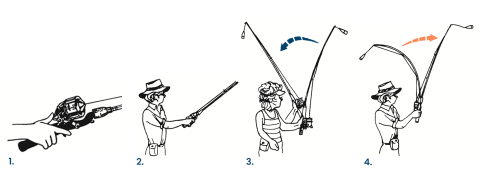
Closed spin-casting reels are beginner-friendly, offering a simple push-button mechanism to release the line. 

Here’s how to cast with one:

  • Hold the Rod: Grip the rod’s handle with the reel seated above, using your dominant hand. Your thumb should rest comfortably on the reel’s button.
  • Prepare to Cast: Point the rod tip towards your target, keeping the rod at about a 45-degree angle to the ground.
    Ensure the line roller (guide closest to the reel) is directly beneath the rod, facing your target.
    Press and Hold the Button: Press down on the button with your thumb to disengage the line lock. Keep it held down as you prepare to cast.
  • The Casting Motion: In one smooth motion, swing the rod tip upwards and over your shoulder, then swiftly forward towards your target.
    Aim to have the rod tip slightly above eye level at the end of your forward motion.
  • Release the Button: As the rod comes forward and reaches eye level, release the button to send the line flying towards your target.
    The timing of your thumb release is crucial—the later you release, the higher and shorter your cast; the earlier you release, the longer and lower your cast.

Casting with an Open-Bail Spinning Reel
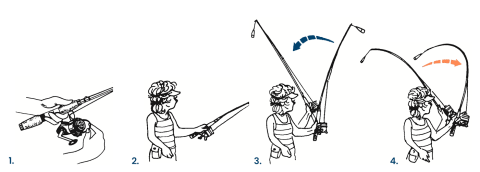
Open-bail spinning reels offer more control and are preferred by many experienced anglers. Casting with these reels involves a bit more technique:

  • Hold the Rod: Grip the rod’s handle so that the reel is underneath, with the stem of the reel between your middle fingers.
    Place your thumb on top of the handle and your index finger over the line on the reel spool.
  • Open the Bail: Use your other hand to flip the bail arm over to open it. This action frees the line for casting.
  • Prepare the Line: With the bail open, use your index finger to pull the line slightly away from the reel and hold it against the rod’s grip. This provides tension and control for the cast.
  • The Casting Motion: Like with the spin-casting reel, bring the rod tip up and over your shoulder, then forward in a smooth arc towards your target.
    The motion should be fluid, using your wrist and forearm.
    Release the Line: As the rod comes forward and reaches the optimal angle (about eye level), release the line from your index finger. Timing is everything—the moment of release dictates the direction and distance of your cast.

Practice Makes Perfect

Casting is a skill that improves with practice. Start in an open area, free from overhead obstructions like trees and power lines. 

Practice casting with a rubber weight or a practice plug instead of hooks to avoid accidents.

Troubleshooting Common Mistakes

  • If the lure lands too close: You’re releasing the line (or button) too late. Try releasing it earlier in your casting motion.
  • If the lure goes too high or too short: You’re likely releasing too soon. Hold on a bit longer for a more direct cast.

Casting is the first active step in the fishing process, setting the stage for everything that follows. By mastering the basics of casting, you lay the foundation for countless memorable fishing adventures. 

Remember, patience and persistence are your allies here—every cast is a learning opportunity, bringing you closer to the angler you aspire to be.

Catch and Release: A Conservation Ethic

Catch and release is a practice deeply rooted in the fishing community, emphasizing the importance of conserving fish populations for future generations while still enjoying the sport of angling. 

This conservation ethic not only ensures the sustainability of fisheries but also respects the lives of the fish we seek to catch. 

Here’s how to responsibly practice catch and release, ensuring that fish have the best chance of survival after being caught.

The Importance of Responsible Fishing

Fishing responsibly means being mindful of the impact we have on aquatic ecosystems. By practicing catch and release, anglers contribute to maintaining healthy fish populations and ecosystems, allowing others to enjoy the sport while ensuring environmental stewardship. It’s a balance between enjoying the thrill of the catch and preserving natural resources.

Tips for Safely Releasing Fish

To maximize the chances of a fish’s survival after release, consider the following guidelines:

  • Handle With Care: Fish have a protective slime coating that is vital to their health, as it protects against infections and helps with swimming. 

When handling fish, wet your hands or wear wet gloves to minimize damage to this slime coat. Avoid touching the gills or squeezing the fish tightly.

  • Use the Right Gear: Barbless hooks or circle hooks are less harmful to fish, making them easier to remove and reducing injury. Using a net can also minimize stress and physical damage to the fish.

    Opt for rubberized nets instead of nylon or knotted nets, as they are gentler on the fish’s skin and scales.
  • Quick Hook Removal: Remove the hook as quickly and gently as possible. If the fish has swallowed the hook, it’s often better to cut the line as close to the mouth as possible rather than trying to remove the hook forcefully.
  • Minimize Air Exposure: Keep the fish in the water as much as possible. If you need to take a photo, prepare your camera beforehand and lift the fish out of the water for just a few seconds. Extended exposure to air can be harmful to fish.
  • Revive the Fish if Necessary: Before releasing the fish, hold it gently in the water, moving it back and forth to encourage water flow through its gills.

    This process helps to oxygenate the fish and revive it if it’s exhausted from the fight. Release the fish once it starts swimming actively on its own.
  • Choose the Right Time and Place: Avoid catch and release in extreme conditions, such as very hot weather, which can increase stress and mortality rates in fish.

    Also, release the fish back into the same habitat from which it was caught to ensure it’s in a familiar environment.

The Ethical Angler

Being an ethical angler means respecting the environment, following local regulations, and practicing catch and release correctly. 

It’s about fostering a conservation mindset that values the health and sustainability of fish populations and their habitats.

Catch and release, when done properly, allows anglers to enjoy the sport of fishing while minimizing their ecological footprint. It’s a practice that underscores the importance of conservation, respect for nature, and the role of anglers as stewards of the environment. 

By adopting these practices, you contribute to the preservation of fisheries for future generations, ensuring that the joys of fishing can be experienced by all who follow.

Additional Tips for Successful Fishing

Fishing is an art that combines skill, patience, and a bit of luck. Beyond the basics of gear selection, casting, and catch and release, there are additional nuances that can enhance your fishing experience and increase your success rate. Here are some supplementary tips that seasoned anglers swear by, designed to refine your approach and deepen your connection with the sport.

Local Knowledge is Key

  • Talk to Local Anglers: No one knows the waters better than local fishermen. They can offer invaluable insights into what fish are biting on, the best times to fish, and hidden spots that are less pressured.
  • Visit Local Tackle Shops: These are hubs of local fishing information. Staff and patrons alike usually enjoy sharing tips, recommending baits, and discussing recent catches. Plus, supporting local businesses helps sustain the fishing community.

Understand Your Quarry

  • Research Fish Behavior: Different species have unique habits and preferences. Understanding the feeding patterns, preferred habitats, and seasonal movements of your target species can significantly improve your chances.
  • Adapt to Conditions: Fish behavior changes with weather conditions, water temperature, and time of day. Learn how these factors affect fish activity and adjust your techniques accordingly.

Master a Variety of Techniques

  • Versatility: Don’t rely on a single fishing method. Be open to trying different techniques, whether it’s fly fishing, lure casting, or bottom fishing. Each method has its time and place, and versatility will make you a more successful angler.
  • Continuous Learning: The fishing world is always evolving, with new tactics and gear introduced regularly. Stay curious and open to learning, whether through reading, watching tutorials, or attending workshops.

Gear Maintenance

  • Regular Checks: Periodically inspect your gear for wear and tear. Ensure your reels are clean and lubricated, your lines are free from nicks and kinks, and your hooks are sharp.
  • Invest in Quality: While you don’t need the most expensive gear, investing in quality equipment that can withstand the rigors of fishing pays off in the long run.

Patience and Observation

  • Be Patient: Fishing is as much about patience as it is about action. Sometimes, the key to success is simply spending more time on the water, observing, and waiting for the right moment.
  • Observe Nature: Pay attention to the natural cues around you. Birds diving into the water can indicate baitfish activity, which in turn suggests the presence of larger predators.

Practice Conservation

  • Leave No Trace: Always clean up after yourself. Leaving behind litter, especially fishing line and plastic, can harm wildlife and degrade the natural beauty of fishing spots.
  • Promote Sustainable Practices: Encourage others to fish responsibly. Share your knowledge of catch and release, gear maintenance, and conservation with fellow anglers, especially newcomers.

Enjoy the Experience

  • Fishing is More Than Catching Fish: Remember, the essence of fishing lies in the experience itself—the serenity of nature, the thrill of the bite, and the joy of spending time outdoors.

    Success isn’t just measured by the size or quantity of your catch but by the memories created and the lessons learned along the way.

As you stand on the threshold of the vast and rewarding world of fishing, you’re equipped not just with the gear, but with the knowledge and respect that form the cornerstone of a true angler’s ethos. 

From selecting the right equipment and mastering the art of casting to practicing catch and release with a conservation mindset, every step you take enriches your journey and deepens your connection with the natural world.

Fishing is more than a hobby—it’s a passage into a community that values patience, skill, and stewardship of our waterways. It invites you to continually learn, adapt, and grow, not only as an angler but as a guardian of the environment. 

Remember, the journey of fishing is one of constant discovery, where every outing offers lessons not just about fishing, but about life.

Encouragement to Respect Nature, Continue Learning and Enjoy the Process

Respect for nature, a commitment to learning, and an appreciation for the moment are what make fishing an enduring and fulfilling pursuit. 

Whether you’re casting a line into a tranquil lake at dawn or watching the sunset over a whispering river, fishing offers a profound way to connect with the world around you.

Frequently Asked Questions

  • Q1: How do I know if I need a fishing license?
    • A: Fishing licenses are required in most regions to fish legally. The requirements can vary based on your location, age, and the type of fishing. Always check with your local fish and wildlife agency or department of natural resources for the most accurate information.
  • Q2: What’s the best time of day for freshwater fishing?
    • A: Early morning and late afternoon into evening are generally the best times for freshwater fishing. These periods coincide with times when fish are most actively feeding. However, fish behavior can vary by species and season, so observing local conditions and habits is beneficial.
  • Q3: How do I choose between live bait and lures?
    • A: The choice between live bait and lures depends on several factors, including the target species, fishing conditions, and personal preference. Live bait is often more effective for beginners, as it naturally attracts fish.

      Lures require more skill but offer the advantage of targeting specific species and conditions. Experimenting with both can help you determine what works best for you.
  • Q4: What should I do if I’m not catching any fish?
    • A: Not catching fish is a common part of the learning process in fishing. Consider it an opportunity to experiment and learn. Try changing locations, adjusting your bait or lure, varying your casting technique, or switching the time of day you’re fishing. Sometimes, patience and subtle changes are all it takes to turn your luck around.

The journey of fishing is a lifelong adventure, filled with opportunities to learn, grow, and connect with the natural world. Each cast is a fresh start, a chance to experience the thrill of the strike. 

Every day on the water is a gift, a chance to soak in the peace and tranquility that only nature can provide. Welcome to the world of fishing – may your lines stay taut, your catches be plentiful, and your heart brim with the joy of every moment spent by the water’s edge.
Guide to Fishing at Lake Powell

Guide to Fishing at Lake Powell

The Changing Waters of Lake Powell: A Prelude to Adventure

As we set our sights on the fishing opportunities at Lake Powell, a jewel of the American Southwest nestled within the vast landscapes of red rock canyons, it’s crucial to begin with an understanding of the lake’s heartbeat: its water levels.

The fluctuating waters of Lake Powell not only tell the story of the region’s climate challenges but also shape the experiences of those who visit its expansive shores.

Recent years have seen Lake Powell’s water levels ebb and flow in response to the intricate dance of precipitation, runoff, and human management. These changes are a testament to the natural and man-made forces acting upon the Colorado River Basin.

For anglers, boaters, and nature enthusiasts alike, the water levels at Lake Powell are more than just numbers—they are a guide to navigating the possibilities and challenges of the lake’s vast aquatic playground.

Last year, on March 21st, 2023, Lake Powell’s water level was significantly lower compared to today, March 21st, 2024. Here’s a breakdown:

  • This year (2024): 3,560.21 feet MSL
  • Last year (2023): Around 3,521 feet MSL (based on news articles mentioning historic lows in February 2023)

There’s an increase of roughly 39.23 feet this year compared to last year.

For a more precise comparison, you can check the Lake Powell Water Database Lake Powell water data ON Lake Powell Water Database lakepowell.water-data.com which has historical data.

Before you pack your rods, reels, and hopes for the catch of a lifetime, it’s essential to seek out the latest information on Lake Powell’s water levels. This knowledge will not only ensure your safety and enjoyment but also deepen your appreciation for the delicate balance of natural resources we are privileged to enjoy.

As we embark on this exploration of Lake Powell’s fishing realms, let’s stay informed, adaptable, and respectful of the waters that connect us to this extraordinary landscape.

Is the fishing good at Lake Powell?

Lake Powell is renowned for its excellent fishing opportunities, making it a popular destination for anglers. The lake’s vast expanse, with its deep waters and myriad of coves and inlets, provides a rich habitat for a variety of fish species. Here are some key points about fishing at Lake Powell:

  • Diverse Fish Population: Lake Powell is home to a variety of fish species, including largemouth bass, smallmouth bass, striped bass (stripers), walleye, crappie, catfish, and bluegill. This diversity offers anglers a chance to target different types of fish, depending on their preference and fishing techniques.
  • Year-Round Fishing: The lake is accessible for fishing year-round, though the best times to fish can vary depending on the species. For example, spring and fall are often cited as the best seasons for bass fishing, while stripers can be caught throughout the year.
  • Stunning Scenery: Apart from the fishing, Lake Powell’s breathtaking landscapes, with its clear blue waters contrasted against red rock canyons, make the experience even more enjoyable.
  • Challenges and Rewards: Fishing in Lake Powell can be both challenging and rewarding due to the fluctuating water levels and the need to understand the habits of the fish in this unique environment. Knowledge about where fish tend to congregate, such as near structures or in deeper waters during the hotter months, can significantly improve your chances of a successful outing.
  • Regulations and Conservation Efforts: It’s important to be aware of the local fishing regulations, which are in place to ensure the sustainability of the lake’s fish populations. These may include limits on the number of fish that can be kept, the size of fish, and specific rules for different species.

Given these points, many anglers find Lake Powell to be an excellent fishing destination, offering both a challenge and a rewarding experience. Lake Powell has something to offer if you’re an experienced angler or new to fishing.

What kind of fish are at Lake Powell?

Lake Powell is a haven for anglers due to its diverse fish population. The lake supports a variety of species that cater to different fishing techniques and preferences. Here are some of the primary types of fish you can find at Lake Powell:

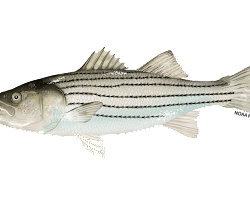
  • Striped Bass (Stripers): Perhaps the most famous residents of Lake Powell, striped bass are known for their size and the challenge they present to anglers. They can be caught using various methods, including trolling, bait fishing, and casting lures.
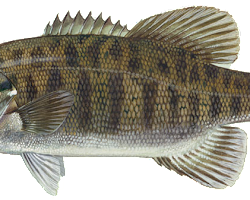
  • Smallmouth Bass: Smallmouth bass are another popular target for fishermen at Lake Powell. They are known for their fighting spirit and are typically found around rocky structures and shallow waters.
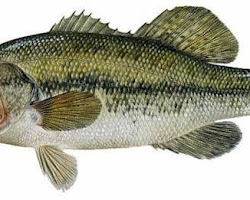
  • Largemouth Bass: While not as abundant as smallmouth bass, largemouth bass can still be found in Lake Powell. They prefer warmer, quieter waters, often near brush or other cover.
  • Walleye: Walleye are prized for their taste and can be a bit more elusive, making them a rewarding catch. They are often found in deeper, cooler waters, especially during the summer months.
  • Crappie: Crappie can be found in Lake Powell, particularly in areas with submerged brush or tree cover. They are a popular catch in the spring.
  • Catfish: Both channel catfish and blue catfish inhabit Lake Powell. They are often targeted at night and can be found in various environments, from shallow flats to deeper channels.
  • Bluegill and Other Sunfish: Bluegill and other panfish species offer a fun fishing experience, especially for families and beginner anglers. They can be caught with simple gear and are often found near shorelines and in protected bays.

The different kinds of fish you can find at Lake Powell and the preferred bait to use for each:


Fish Species Preferred Bait
Striped Bass (Stripers) Live shad, anchovies, jigs
Smallmouth Bass Crayfish, plastic worms, small lures
Largemouth Bass Plastic worms, jigs, minnows
Walleye Worms, minnows, jigs
Crappie Minnows, small jigs, insects
Catfish Stink baits, nightcrawlers, chicken liver
Bluegill Worms, small jigs, insects

This chart can guide you in choosing the right bait for a successful fishing trip at Lake Powell, targeting the specific species you’re interested in. 

Each of these species offers a unique fishing experience at Lake Powell, making it a versatile destination that caters to a wide range of fishing preferences and techniques. Whether you’re after the thrill of catching a large striper or enjoying a leisurely day targeting panfish, Lake Powell has opportunities for all types of anglers.

Where is the fish cleaning station at Lake Powell?

At Lake Powell, you can find fish cleaning stations at various marinas, ensuring you have a convenient spot to prepare your catch. Specifically, Bullfrog Marina offers a range of services including a fish cleaning station. This marina, located in Utah, provides a wide range of amenities for boaters and fishermen alike, such as boat ramps, slips, gas stations, lodging, a campground, picnic area, marinas, grocery store, and a gift shop​​​.

These facilities are part of the effort to make your fishing experience at Lake Powell as enjoyable and hassle-free as possible. Whether you’re returning from a successful fishing trip or just enjoying the water, these stations are designed to add convenience to your adventure. Remember to check the current operating hours and any specific regulations or recommendations before heading out, as these can vary by season and are in place to ensure both safety and sustainability.

Where is the best fishing at Lake Powell?

Finding the best fishing spots at Lake Powell can depend on the time of year, water conditions, and the type of fish you’re targeting. However, some areas are renowned for their fishing quality and scenic beauty, attracting anglers from all over. Here are a few spots known for excellent fishing at Lake Powell:

  • Padre Bay: One of the largest bays on Lake Powell, Padre Bay offers diverse fishing opportunities, including smallmouth and largemouth bass, and is known for its stunning natural beauty.
  • Bullfrog Marina Area: This area is convenient due to its accessibility and services, including a fish cleaning station. It’s a good spot for catching smallmouth bass, striped bass, and catfish.
  • The San Juan Arm: This is a fertile area known for its abundance of smallmouth bass, largemouth bass, and crappie. Its remote location makes it less crowded, offering a peaceful fishing experience.
  • Halls Creek Bay: Another excellent spot for smallmouth bass, Halls Creek Bay also offers opportunities to catch largemouth bass and walleye. Its clear waters and scenic backdrop make it a favorite among anglers.
  • Warm Creek Bay: Known for striped bass and smallmouth bass, Warm Creek Bay provides ample fishing spots along its shores and deeper waters.
  • Glen Canyon Dam Area: Near the dam, the deep waters are home to large striped bass and walleye. Fishing near the dam can be particularly good in the spring and fall.
  • Dangling Rope Marina: Accessible only by water, this area is less pressured and can provide excellent fishing for striped bass and smallmouth bass. It’s also a good spot to refuel and restock supplies while on the lake.

Remember, the “best” spot can vary based on current conditions, fish behavior, and what you’re hoping to catch. Local marinas and fishing guides can offer up-to-date advice on where the fish are biting and which techniques are working best. Always check the latest regulations and have a valid fishing license for the area.

What is the best time of year to fish Lake Powell?

The best time of year to fish at Lake Powell largely depends on the species you’re targeting, but in general, fishing can be productive year-round due to the lake’s mild climate and diverse habitat. However, there are peak times for certain types of fishing:

  • Spring (March to May): Spring is considered one of the best times for fishing at Lake Powell, as the water starts to warm up, and fish become more active and move into shallower waters. This is an excellent time for bass fishing, including both largemouth and smallmouth bass, as they are in pre-spawn and spawn periods.
  • Summer (June to August): Fishing can be challenging during the hottest parts of the day in summer, but early morning and late evening can be very productive, especially for striped bass and catfish. Night fishing is also popular during the summer months to avoid the heat and catch catfish and bass.
  • Fall (September to November): As the water begins to cool, fish become more active again, making fall another great time for fishing at Lake Powell. This period is known for excellent smallmouth and largemouth bass fishing. Striped bass also become more aggressive as they prepare for winter, providing good opportunities for anglers.
  • Winter (December to February): Winter fishing can be surprisingly good, especially for striped bass and walleye, although you’ll need to be prepared for cooler weather. Fishing pressure is much lower during this time, which can lead to a peaceful and productive fishing experience.

While these are general guidelines, the best time for fishing can also depend on weather conditions, water levels, and other environmental factors. It’s a good idea to check recent fishing reports or contact local marinas for current information before planning your trip.

Does it cost to fish at Lake Powell?

Here’s a chart detailing the fees for different fishing licenses at Lake Powell, covering both Utah and Arizona. 

These fees are approximate and subject to change, so it’s a good idea to verify the current rates through official state websites or local fishing authorities before making your purchase.

License Type Fee Note
Utah Resident Fishing License Approx. $34 (Annual) Valid for 365 days from the date of purchase
Utah Nonresident Fishing License Approx. $75 (Annual) Valid for 365 days from the date of purchase
Arizona Resident Fishing License Approx. $37 (Annual) Valid for 365 days from the date of purchase
Arizona Nonresident Fishing License Approx. $55 (Annual) Valid for 365 days from the date of purchase
Utah 1-Day Fishing Permit Approx. $16 Only for nonresidents
Utah Multi-Day Fishing Permit (Additional Day) Approx. $7 per day Must be purchased with a 1-day permit
Arizona 1-Day Fishing License Approx. $20
Arizona Short-term Combo Fishing & Hunting License Approx. $15 per day For nonresidents, includes both fishing and hunting

Because Lake Powell spans the border between Utah and Arizona, you need to be aware of where you are fishing on the lake to ensure you have the correct state’s license. In some cases, anglers who plan to fish in both states may choose to purchase licenses from both Utah and Arizona to cover all areas of Lake Powell they wish to explore. ​​

Is there another charge for entering Lake Powell? 

In addition to fishing license fees, there are entry fees for accessing Lake Powell, which is part of the Glen Canyon National Recreation Area. Here’s a chart detailing these entry fees:

Pass Type Fee Validity Note
Private Vehicle Approx. $30 7 days Covers all passengers in a single, private, non-commercial vehicle
Motorcycle Approx. $25 7 days Covers all passengers on a single motorcycle
Individual (Bike, Walk) Approx. $15 7 days Per person fee for individuals entering by foot, bicycle, park shuttle, and for individuals traveling together in a vehicle as a non-commercial, organized group
Annual Pass Approx. $55 1 year from month of purchase Allows unlimited entry to Glen Canyon National Recreation Area for one year

These fees are for entrance into the Glen Canyon National Recreation Area, which includes Lake Powell. They’re separate from any fishing license fees and are applicable whether you’re visiting for fishing, boating, or other recreational activities. The fees help support the maintenance and preservation of the park. Note that fees are approximate and subject to change, so it’s a good idea to check the latest information before your visit. ​​

What if I’m having too much fun fishing and I want to camp is there camping at lake Powell?

Yes, Lake Powell offers numerous camping opportunities, ranging from developed campgrounds with amenities to more remote and primitive beach camping areas along the lake’s shoreline. Here’s an overview of the camping options at Lake Powell:

Developed Campgrounds

  • Wahweap Campground: Located near the Wahweap Marina in Arizona, this campground offers RV and tent sites with amenities like restrooms, showers, laundry facilities, and a convenience store. It’s a great option for those looking for comfort while being close to the lake.
  • Bullfrog Campground: Situated near the Bullfrog Marina in Utah, this campground provides RV and tent sites with access to similar amenities as Wahweap, including restrooms and showers. It’s an ideal base for exploring the northern parts of Lake Powell.
  • Halls Crossing RV and Campground: Also in Utah, this facility offers basic RV and tent camping sites with access to the marina services at Halls Crossing, including a launch ramp, store, and restrooms.

Primitive Camping

  • Shoreline Camping: Lake Powell is unique in that it allows shoreline camping in many areas along the lake, accessible by boat. This option offers a more primitive and adventurous experience, allowing campers to find their own secluded spot along the lake’s extensive shoreline. There are no facilities in these areas, so campers need to be self-sufficient and practice Leave No Trace principles to protect the environment.

Camping Fees and Reservations

  • Developed Campgrounds: Fees vary by site and amenities. Reservations are recommended, especially during peak season, and can be made through the National Recreation Reservation Service or the marinas’ websites.
  • Primitive Camping: Typically requires a fee for a camping permit, which can be obtained at the marinas or entrance stations. The permit system helps manage the impact on the environment and ensures campers follow the guidelines for waste disposal and campsite use.

Whether you’re looking for the convenience of a developed campground or the adventure of primitive beach camping, Lake Powell offers a range of options to suit different preferences. It’s always a good idea to plan ahead, check the latest conditions and regulations, and make reservations where necessary to ensure a smooth and enjoyable camping experience.

How about a boat? Can I fish from a boat? Are there any restrictions on motor size?

Yes, fishing from a boat is a very popular way to fish at Lake Powell. The lake’s vast size and the variety of fish habitats make it an ideal place for boat fishing. You can access deeper waters and more remote fishing spots that might be inaccessible from shore.

Boat Fishing at Lake Powell

  • Boat Launches: There are several boat launches around Lake Powell, including those at Wahweap, Bullfrog, Halls Crossing, and Antelope Point marinas. These facilities provide easy access to the water for boats of various sizes.
  • Boat Rentals: If you don’t have your own boat, boat rentals are available at the marinas. Options range from small fishing boats to larger houseboats, providing flexibility for different fishing needs and group sizes.

Restrictions and Regulations

  • Motor Size: There are no specific restrictions on motor size for boats on Lake Powell. However, all boaters must comply with applicable safety regulations, including those concerning speed and operation near shorelines, marinas, and other boats.
  • Safety and Environmental Regulations: Boaters are required to follow all safety regulations, including having the appropriate safety equipment on board. Additionally, efforts to prevent the spread of invasive species, such as quagga mussels, are taken very seriously. Boats must be clean, drained, and dry before entering Lake Powell to prevent contamination.
  • Fishing Regulations: While fishing from a boat, you must adhere to the fishing regulations set by the states of Utah and Arizona, depending on where you are on the lake. This includes having a valid fishing license for the appropriate state and following all size and bag limit regulations.
  • Boating Under the Influence: Operating a boat under the influence of alcohol or drugs is illegal and subject to strict penalties.

When planning to fish from a boat at Lake Powell, it’s essential to check the latest regulations from the National Park Service and state wildlife agencies. This ensures a safe and enjoyable experience while helping to preserve the lake’s natural beauty and fish populations.

Does it cost to fish from a boat?

Fishing from a boat at Lake Powell itself does not incur additional specific fees beyond the usual costs associated with boating and fishing there. However, there are several costs you should consider when planning to fish from a boat:

  • Boat Launch Fees: If you’re launching your own boat, you may need to pay a launch fee at some marinas or boat ramps. This fee is typically separate from the entrance fee to the Glen Canyon National Recreation Area.
  • Boat Rental Fees: If you don’t own a boat and plan to rent one, rental fees will apply. These fees vary depending on the type of boat (fishing boat, pontoon, houseboat, etc.) and the rental period (half-day, full-day, multiple days).
  • Fishing License: Regardless of whether you’re fishing from shore or a boat, you need a valid fishing license from either Utah or Arizona, depending on where you are fishing on the lake. The cost of the license depends on your residency status and the duration of the license.
  • Entrance Fee to Glen Canyon National Recreation Area: There’s an entrance fee for accessing Lake Powell, which is part of the Glen Canyon National Recreation Area. This fee is charged per vehicle or per person, depending on how you enter the area.
  • Boat Fuel: Don’t forget to account for the cost of fuel for your boat, which can vary widely depending on the size of your boat and how far you plan to travel on the lake.
  • Boat Inspection Fee: In efforts to combat the spread of invasive species such as quagga mussels, some locations may charge a fee for boat inspections or require a decontamination process, especially if you’re bringing a boat from outside the area.
  • Camping Fees: If you plan to camp on the lake overnight in your boat (e.g., if you have a houseboat), camping fees or permits may be required, particularly for developed campgrounds or specific areas designated for camping.

It’s essential to budget for these costs when planning your fishing trip to Lake Powell. Prices and regulations can change, so it’s a good idea to check with the relevant authorities or marinas for the most current information before your trip.

Personal Experience: An Unforgettable Fishing Journey at Lake Powell

“Every year, I eagerly anticipate my vacation to Lake Powell, timing my visits for when the lake’s Fun session is just finishing and its less crowded. On one particularly memorable trip, we set up camp at the lake’s upper reaches near Hite—an area that promises both solitude and splendor. It was here, amidst the serene backdrop of towering canyons and expansive waters, that we embarked on our fishing adventure.

Casting our lines into the welcoming embrace of Lake Powell, we were graced by the lake’s rich diversity, encountering nearly every species it lake. From the spirited tug of smallmouth bass to the surprising heft of a walleye, each catch added to the tapestry of our unforgettable experience. Lake Powell, with its vastness and beauty, offered not just a fishing trip but a journey into the heart of nature’s bounty. It was a reminder of the joy and adventure that await in its depths, a testament to the enduring allure of Lake Powell’s waters.”


Bass Fishing in Arizona

Arizona has fantastic bass fishing!

Bass Fishing in Arizona

Arizona, a landscape renowned for its desert vistas and towering canyons, is also a hidden gem for anglers—its waters teeming with a surprising diversity of bass species. Whether you’re seeking the thrill of landing a trophy bass or simply enjoying a day out on the water, Arizona’s lakes and rivers offer unparalleled fishing experiences. This comprehensive guide covers everything from prime locations to essential gear, ensuring your Arizona fishing adventure is both successful and memorable.

Why Arizona is a Premier Bass Fishing Location

Arizona stands out as a top destination for bass fishing enthusiasts due to several key factors:

Variety of Bass Species

Anglers in Arizona can target both largemouth and smallmouth bass, each thriving in the state’s diverse aquatic habitats.

Year-Round Fishing Opportunities

Thanks to Arizona’s mild winters, anglers can enjoy bass fishing throughout the year, extending the season beyond that of more northern locales.

Multiple Fishing Locations with Big Bass Potential

Arizona’s variety of fishing spots—from serene mountain lakes to vast desert reservoirs—offer anglers the chance to catch trophy-sized bass.

Here’s  the fish species you can expect to find in Arizona’s premier lakes:

Lake Name Common Fish Species
Lake Mohave Largemouth Bass, Smallmouth Bass, Striped Bass, Catfish, Rainbow Trout, Crappie
Lake Havasu Largemouth Bass, Smallmouth Bass, Striped Bass, Bluegill, Catfish, Crappie, Redear Sunfish
Lake Roosevelt Largemouth Bass, Smallmouth Bass, Crappie, Catfish, Carp, Walleye, Bluegill
Saguaro Lake Largemouth Bass, Smallmouth Bass, Yellow Bass, Rainbow Trout, Walleye, Catfish, Bluegill
Lower Colorado River (Lake Martinez) Largemouth Bass, Smallmouth Bass, Striped Bass, Catfish, Bluegill, Crappie

Importance of Fishing Regulations and Licenses

Securing a valid fishing license and adhering to local regulations are essential for preserving Arizona’s aquatic ecosystems for future generations.

Professional Fishing in Arizona

Arizona’s lakes are competitive arenas for professional anglers, with tournaments highlighting the state’s status as a bass fishing haven and promoting sustainable practices.

Fishing Licenses and Fees

Before casting your line, ensure you have a valid Arizona fishing license and are aware of any additional fees for access or boat launching. Here’s a quick overview of potential costs:

Requirement Typical Fee
Arizona Fishing License Varies (Annual resident adult: $37; Non-resident: $55; other options available)
Lake Access Fees Varies by location (Approx. $5-$30 per vehicle)
Boat Launch Fees Varies by location (Approx. $10-$20)
Tournament Entry Fees Varies by event

Essential Gear for Bass Fishing

A successful fishing trip starts with the right gear. Here’s what you’ll need:

Rod and Reel

Opt for a medium-heavy rod paired with a baitcasting or spinning reel for versatility.

To learn more about the right Rod and Real you can check out this article… It will help guide you to the best decisions.

Line

Choose from monofilament, fluorocarbon, or braided lines based on your specific fishing conditions and technique.

fishing line for bass, as the ideal choice depends on several factors like the specific fishing technique you’re using, water clarity, and cover.

Here’s a breakdown of the pros and cons of the most common types to help you decide:

  • Monofilament:

    • Pros: Affordable, casts well, offers some stretch for shock absorption.
    • Cons: More visible in water, absorbs water and weakens over time, memory can cause coiling.
  • Fluorocarbon:

    • Pros: Nearly invisible in water, good abrasion resistance, less stretch for better lure control.
    • Cons: More expensive than mono, can be tricky to tie knots, some find it a bit stiffer.
  • Braided Line:

    • Pros: Super strong, very thin diameter for long casts, no stretch for excellent bite detection.
    • Cons: Highly visible in water, not good for absorbing shock (can result in lost fish), more prone to backlashes.

Here’s a general guide for choosing a line based on fishing technique:

  • Crankbaits and Jerkbaits: Fluorocarbon or monofilament (10-17 lb test) for their buoyancy and shock absorption.
  • Jigs and Flipping: Braided line (30-50 lb test) for strength and abrasion resistance in heavy cover.
  • Topwater lures: Braided line (30-50 lb test) for strong hook sets, or monofilament (15-25 lb test) for added casting distance.
  • Drop Shot and Finesse Fishing: Fluorocarbon (6-12 lb test) for invisibility and better bite detection.

Remember, these are just recommendations. Always consult with experienced anglers or your local tackle shop for specific advice based on your fishing situation.

Lures and Baits

Stock your tackle box with jigs, plastic worms, crankbaits, spinnerbaits, and swimbaits to attract bass.

lure for bass fishing as it depends on various factors like the season, water conditions, and the bass’s feeding behavior. However, some general purpose lures that consistently produce results include:

  • Soft Plastic Worms: A versatile bait that can be rigged and fished in numerous ways to imitate worms, lizards, or creature baits. Great for all year-round bass fishing.

  • Jigs: Effective for flipping and pitching near cover, jigs come in various weedless designs and can be tipped with trailers like plastic worms or creature baits.

  • Crankbaits: These lipless crankbaits mimic small baitfish and come in diving depths to target bass at different water levels. Effective for covering water and triggering reaction strikes.

  • Spinnerbaits: A combination of a vibrating blade and a wire arm with a skirted head, spinnerbaits offer flash and vibration to attract bass. Excellent for searching for bass and in low-light conditions.

  • Topwater lures: Mimicking frogs or injured baitfish on the surface, these lures can entice explosive strikes. Examples include poppers, which create a “popping” sound, and walking baits, which are designed to be “walked” across the water’s surface.

Here are some additional tips for choosing lures:

  • Match the hatch: Try to select lures that resemble the natural forage bass are feeding on in that particular lake or river.

  • Consider water clarity: In clear water, opt for more natural-colored lures. In stained or murky water, brighter colors or lures with rattles can attract attention.

  • Lure action: Experiment with different lure retrieves to mimic fleeing baitfish, struggling prey, or a wounded minnow.

Remember, success often involves trial and error. Observe what other anglers are using and what seems to be working on the day. Over time, you’ll develop your own favorite lures and techniques.

here is a bass fishing starter kit that covers most of the Baits

bass fishing tackle kit Amazon $27.00

Accessories

Don’t overlook essential tools and accessories like fishing pliers, line cutters, and a well-organized tackle box. I bought this tool set from Amazon it was the best tools out there.

fishing tools Amazon $29.00

Best Times to Fish

Maximize your chances of a successful catch by hitting the water at optimal times:

Lake Name Best Fishing Times
Lake Mohave Spring (March-May) for bass; Fall (September-November) for catfish and striper
Lake Havasu Early Spring (February-April) for largemouth and smallmouth bass; Fall (October-November) for various species
Lake Roosevelt Spring (March-May) for bass and crappie; Winter (December-February) for walleye
Saguaro Lake Spring (March-April) for largemouth bass; Winter (November-February) for trout
Lower Colorado River (Lake Martinez) Spring (February-April) for bass; Fall (September-November) for catfish and bluegill

Fishing Licenses and Fees

Before casting your line, ensure you have a valid Arizona fishing license and are aware of any additional fees for access or boat launching. Here’s a quick overview of potential costs:

Requirement Typical Fee
Arizona Fishing License Varies (Annual resident adult: $37; Non-resident: $55; other options available)
Lake Access Fees Varies by location (Approx. $5-$30 per vehicle)
Boat Launch Fees Varies by location (Approx. $10-$20)
Tournament Entry Fees Varies by event

Boat Considerations and Camping Options

Bringing a boat? Check lake-specific restrictions on size and engine type. If your fishing adventure extends into the night, many lakes offer camping facilities, from primitive sites to developed campgrounds.

Conclusion

Arizona’s bass fishing scene is a blend of challenge and beauty, offering diverse species, year-round opportunities, and the thrill of the catch. With the right preparation and respect for regulations, your fishing trip will not only be enjoyable but also contribute to the conservation of these splendid waters.

Additional Resources

For up-to-date information on licenses, regulations, and camping, visit the Arizona Game and Fish Department or contact the managing authorities of the lakes discussed in this guide. Here’s to a successful fishing adventure in Arizona!

Fishing with Kids: Making Every Cast Count

Preparing Kids for a Fishing Adventure

Tips to Ensure a Memorable Fishing Experience with Children

Embarking on the adventure of teaching kids to fish is not just about casting lines and waiting for bites; it’s about weaving unforgettable memories, instilling patience, and nurturing a deep-rooted connection with nature.

Through “The Ultimate Guide to Fishing with Kids: Making Every Cast Count,” we dive into the heart of this enriching experience, offering a treasure trove of tips to ensure every fishing trip is a joyous venture.

The First Cast:

Preparing Kids for a Fishing Adventure

The journey begins at home, away from the glistening waters and the dance of the fishing rod. Here, in the comfort of the backyard, future anglers take their first swing at casting.

It’s a playful, yet profound moment, setting the stage for what’s to come. The choice of gear is pivotal; simplicity reigns supreme. A light rod, a basic reel, and the promise of excitement are all it takes to spark a child’s interest. This preparatory phase our not just about the mechanics but about igniting a flame of curiosity about the aquatic world.

Choosing the Perfect Spot

The magic of fishing comes alive in the choice of location. It’s not merely a backdrop but a character in the story of fishing adventures. Selecting a spot known for its friendly waters, where the fish are plentiful, ensures the thrill of a catch and the gleam of success in a young angler’s eyes.

For those seeking guaranteed smiles, fishing derbies and pay ponds offer an arena where victory is almost certain, enriching the experience with the joy of the catch.

What are fishing derbies and pay ponds you might ask 

Fishing derbies and pay ponds are both ways for people to enjoy fishing, but they have some key differences:

Fishing derbies

Image of Fishing derby
  • Competitive events where anglers compete to catch the biggest, most, or a specific type of fish.
  • Typically have an entry fee and offer prizes for the winners.
  • Can be held on public or private waters.
  • Often have time limits and specific rules.
  • Can be a fun way to test your fishing skills against others and win prizes.

Pay ponds

Image of Pay pond
  • Bodies of water where you pay a fee to fish.
  • The ponds are typically stocked with fish to ensure there are plenty to catch.
  • This can be a good option for families with children or people who are new to fishing as it is almost guaranteed you will catch a fish.
  • Pay ponds often have amenities such as bait shops, cleaning stations, and picnic areas.

Here’s a table summarizing the key differences between fishing derbies and pay ponds:

Feature Fishing derby Pay pond
Type of event Competition Leisure
Entry fee Yes Yes
Prizes Yes No
Location Public or private waters Private waters
Time limits Often No
Rules Specific rules General fishing regulations
Guaranteed catch No Yes
Amenities May vary Often have amenities

Reeling in Joy:

Tips to Ensure a Memorable Fishing Experience with Children

The essence of fishing with kids transcends the act itself, morphing into a lesson on patience, the beauty of nature, and the thrill of discovery. Every nibble, every tug on the line, is a story in the making. It’s about celebrating the small victories, the tiny catches, and the near misses.

Safety and conservation weave through these tales, teaching young ones to respect the water and its inhabitants. Through these shared moments, fishing morphs from a hobby into a conduit for life lessons, wrapped in the excitement of exploration and learning.

Building a Bond Through Fishing

Fishing becomes a bridge between generations, a shared pursuit that strengthens bonds and fosters mutual respect. It’s an opportunity to step away from the daily rush and immerse in the tranquility of nature, together. This bonding is punctuated by laughter, shared silence, and the collective anticipation of the next bite.

The fishing expedition becomes a canvas, where memories are painted with broad strokes of joy, patience, and shared triumphs.

Conclusion

Teaching kids to fish is an endeavor that transcends the act of fishing itself. It’s an immersive experience that offers a unique blend of education, bonding, and adventure. Through simple preparations, the right choice of location, and a focus on the joy of the experience, fishing with kids becomes a gateway to invaluable lessons and cherished memories.

As we cast our lines into the future, let’s do so with the intention of making every moment count, nurturing a love for fishing that will ripple through generations.

Alton Jones Jr. A Legacy on the Lake

Alton Jones Jr {Center of Image} A Rising Star in Bass Fishing

Casting a Line on Inspiration: 6 Anglers Who Shaped Fishing

Hey there, fellow fishing enthusiasts! You know, spending time out on the water isn’t just about catching fish—it’s a lot like life. And who better to learn from than the pros? 

Let me share some wisdom inspired by Alton Jones Jr., the rising star in bass fishing.”

Patience Pays Off Picture yourself waiting for that elusive bass to bite. Well, life’s a bit like that too. 

Patience isn’t just a virtue; it’s a superpower. Whether we’re chasing dreams or casting lines, good things come to those who wait (and work hard!).

Adapt and Thrive: Switching up his lures when the fish aren’t cooperating. It’s a lesson for all of us. Life throws curveballs, right? 

Be ready to adjust your game plan when things change. That’s how you stay ahead.
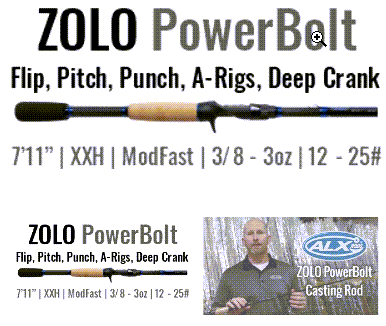
Quality Gear Matters: Alton’s trusty rods and reels are like old friends. Think about it—whether it’s fishing gear or life choices, invest in quality tools. They’ll serve you well in the long run.

Learn from Every Cast: Each cast teaches you something. Maybe the fish didn’t bite, but you learned about the water, the wind, and your technique. Apply that mindset to life: every experience, good or bad, adds to your wisdom.
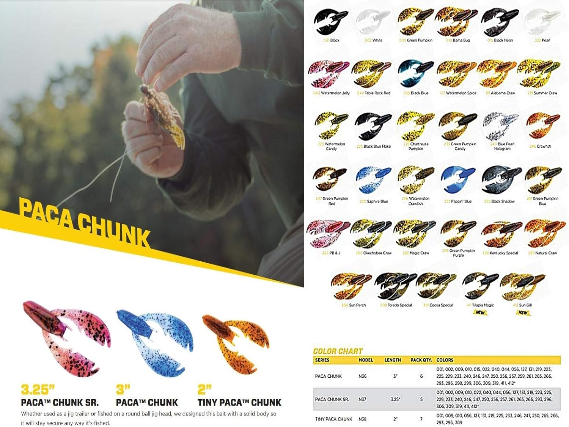
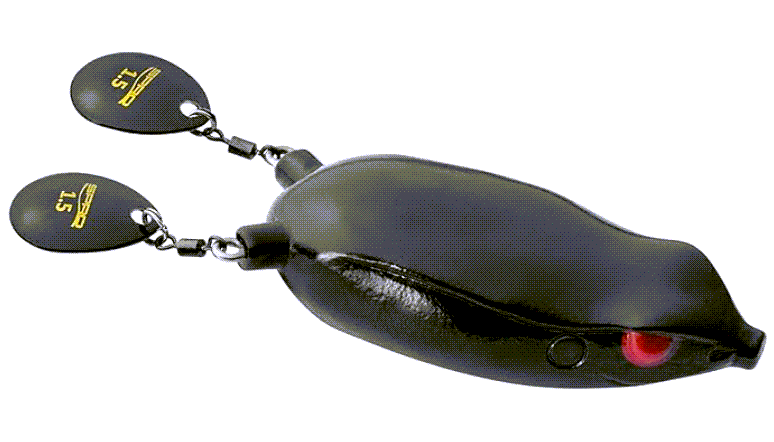
Celebrate Small Wins: Remember that little bass you caught? Celebrate it! Life is full of small victories—don’t overlook them. Whether it’s nailing a presentation or making someone smile, acknowledge those wins. They matter.

Share the Joy: Alton’s passion for fishing is contagious. So, share your passions too. Take a friend fishing, teach a kid to cast—they’ll remember those moments forever. It’s not just about catching fish; it’s about creating memories.


Alton Jones Jr.

Alton Jones Jr

Alton Jones Jr., affectionately known as “Junior” or “AJ,” hails from the fishing-rich state of Texas. 

His passion for angling runs deep, and he’s making waves in professional bass fishing circles. Let’s dive into his remarkable journey, career stats, favorite gear, and notable achievements.

Career Stats

Career Wins: Alton Jr. has clinched 3 major professional victories, showcasing his skill and consistency.

Top 10 Finishes: With an impressive tally of 15 top 10 finishes, he consistently performs at the highest level.

Top 20 Finishes: His adaptability extends to 23 top 20 finishes, proving his versatility across various fishing scenarios.

REDCREST Appearances: Alton Jr. has graced the prestigious REDCREST event 3 times, competing against the best in the business.

Total Winnings: His earnings stand at an impressive $1,117,703, a testament to his dedication and talent.

Sponsors

Alton Jones Jr. enjoys unwavering support from reputable sponsors who believe in his potential:

General Tire: Providing traction on and off the water.

Mystik Lubricants: Keeping his gear running smoothly.

Bass Forecast: Staying ahead of changing fishing conditions.

Phoenix Boats: His trusty vessel for chasing bass.

Kistler Rods: Precision tools for casting and hooksets.

A.R.E.: Protecting his truck bed during fishing expeditions.

RealTruck: Customizing his rig for comfort and functionality.

Garmin: Cutting-edge electronics for navigation and fish finding.

Geecrack: Innovative baits and tackle.

Fun Facts

When he’s not on the water, Alton Jr. enjoys duck hunting, snow skiing, and exploring new destinations.

His wife, Kelsey, shares his love for the outdoors.

Notable Achievements

Bass Pro Tour Win: In 2022, Alton Jr. secured his first Bass Pro Tour victory during Stage Two at Lake Fork. 

The icing on the cake? He competed against none other than his father, Alton Jones Sr., in the Championship Round.

Heavy Hitters 2022: Alton Jr. made headlines by landing the largest bass in both the Knockout and Championship Rounds, earning a hefty $165,000 in winnings.

Following in His Father’s Footsteps: In 2023, he joined his father as a Heavy Hitters Champion, cementing his status as a rising star in professional bass fishing.

Alton Jones Jr.’s journey is one of passion, persistence, and a love for the water. Keep an eye on this young angler—he’s destined for greatness!

So How Much is He Worth Today?

Alton Jones Jr., the rising star in bass fishing, has made quite a splash! While exact figures can vary, his net worth is estimated to be around $1.1 million. 

Keep in mind that this number reflects his tournament winnings, sponsorships, and other sources of income. But hey, it’s not just about the dollars—it’s about the thrill of the catch and the love for the water. 

Tight lines, my friend! 🎣💰

Some of Alton Jones Jr.’s favorite gear that he swears by when chasing those big fish. 

Let’s dive into what makes his tackle box special:


Berkley Squarebull Crankbaits

Berkley Squarebull Crankbaits

Berkley Squarebull Crankbaits

These are Alton’s go-to crankbaits for enticing bass. Whether it’s the 7.5, 3.5, or 5.5 version, they consistently produce results.

Geecrack Bellows Shad:

Geecrack Bellows Shad

Geecrack Bellows Shad

Alton discovered this soft-plastic creature bait, and it quickly became one of his favorites. The Bellows Shad by Geecrack is a secret weapon for enticing big bass.

Kistler Rods: 

Kistler Rods

Kistler Rods

Specifically, Alton relies on the Kistler Z-Bone and Helium 3 rods. 

These high-quality rods give him the sensitivity and power needed to feel every bite and handle those big fish.

Abu Garcia Revo SX Casting Reel:

Abu Garcia Revo SX Casting Reel

Abu Garcia Revo SX Casting Reel

With a 7.3:1 gear ratio, this reel provides the speed and smoothness Alton needs for precision casting and reeling in those lunkers.

Seaguar Fluorocarbon Line: 

Seaguar Fluorocarbon Line 

Alton trusts Seaguar SmackDown braided line as his main line and pairs it with a fluorocarbon leader. 

The right line can make all the difference in landing trophy bass.

YUM Bad Mamma or YUM Dinger: 

YUM Bad Mamma or YUM Dinger

YUM Bad Mamma or YUM Dinger

These soft plastics in green pumpkin or purple flake are Alton’s secret sauce. Rig them up, and you’re ready to entice even the wariest bass.

Remember, it’s not just about the gear—it’s about the angler’s skill, intuition, and passion. Alton Jones Jr. has honed his craft, and these favorites have helped him land some impressive catches!


And for the last in the bass masters Adition Dustin Connell

Dustin Connell Rising to the Top – Secrets from the Bassmaster Elite Series

Exploring new horizons with Dustin Connell {Far Right in Image}: A Testament to Lifelong Learning in Fishing

Casting a Line on Inspiration: 6 Anglers Who Shaped Fishing

One crucial insight Dustin Connell has imparted is the value of embracing continuous learning and the ability to adapt to varying circumstances. He has demonstrated that fishing transcends mere adherence to established rules or methods; it’s about venturing into the realm of experimentation and innovation to broaden one’s abilities and viewpoints.

Connell’s approach to fishing is characterized by his willingness to experiment with diverse baits, explore unfamiliar waters, and even transition to kayaking, all in the spirit of enhancing his angling prowess and enjoying the process.

His dedication to self-improvement and exploration within the sport is not just commendable but inspirational.

Adopting Connell’s mindset means seeing fishing as an evolving journey rather than a static activity. It’s about constantly challenging oneself to learn and adapt, ensuring each fishing expedition is not just a pursuit of catch but a step towards greater understanding and skill.

Join me as we delve deeper into Dustin Connell’s contributions to fishing, drawing lessons from his innovative spirit and unwavering commitment to growth.

His journey offers invaluable insights for anglers at any stage of their journey, reminding us that at the heart of great fishing lies the joy of discovery and the pursuit of mastery.

Dustin Connell

Dustin Connell

Dustin Connel bass fishing

  • Dustin Connell is nicknamed “Dusty.
  • The Redcrest Champion:
    In 2021, at Lake Eufaula, Connell etched his name in the annals of
    fishing history. The REDCREST title became his, and the fishing gods nodded in approval. Picture him standing tall, trophy in hand, the sun-kissed water reflecting victory in his eyes.
  • Rookie Sensation: Back in 2017, Connell burst onto the scene like a splashy topwater bait. His debut in the Elite Series earned him the coveted Rookie of the Year honors. Imagine the adrenaline—the thrill of proving himself among seasoned pros. Connell did it with

So How much is his net worth today?

As of 2024, Dustin Connell’s net worth is estimated to be around $1.4 million. His impressive career as a professional bass fisherman, tournament wins, sponsorships, and other ventures have contributed to his financial success.

 Keep in mind that net worth estimates are based on publicly available information and may not be completely accurate, but this figure provides a general indication of Connell’s prosperity within the fishing community.

Tournament Triumphs—those electrifying moments when the water holds its breath, and every cast becomes a heartbeat. 

Let’s dive into the annals of Dustin Connell’s victories, where bass danced to his rhythm:

REDCREST Glory:

In 2021, Lake Eufaula witnessed Connell’s coronation. The REDCREST title became his—a testament to skill, strategy, and unwavering focus1.

Picture him on that sun-kissed stage, trophy gleaming, the crowd echoing his name.

Rookie No More:

Back in 2017, Connell burst onto the scene like a splashy topwater bait. His debut in the Elite Series earned him the coveted Rookie of the Year honors.

Imagine the adrenaline—the thrill of proving himself among seasoned pros. Connell did it with finesse.

Bass Pro Tour Brilliance:

The Bass Pro Tour witnessed Connell’s magic. In 2022, he clinched victory in Stage Three, joining the ranks of angling legends.

But that wasn’t all. He went on to win Stage Six and Stage Seven on Mille Lacs Lake. Three wins—like casting a perfect trifecta.

Toledo Bend Triumph:

Fast-forward to 2024. Toledo Bend, stage one. Connell stood tall, rod in hand, as the crowd held its breath.

And then, the moment—the sweet tension of a taut line. Victory! Another notch on his reel handle, another tale for the campfire.

Beyond the Podium:

Connell isn’t just about trophies. He’s an avid bow hunter, a golfer who swings both clubs and tales, and a turkey whisperer.

His wife, Victoria, stands by him, cheering from the sidelines. Because every legend needs a steadfast companion.

The Numbers Don’t Lie:

Wins: 6

Top 10s: 24

Top 20s: 32

REDCREST Appearances: 4

Total Winnings: $1,397,462 (That’s a lot of tackle!)

The Sponsors Who Believe:

Connell’s boat wears logos like battle scars—the insignia of his journey:

Googan Baits

Favorite Fishing

Triton Boats

Bass Pro Shops

Realtree Fishing

Lowrance

Mercury Marine

NSR Fishing

Power-Pole

Seaguar

So, my fellow angler, let’s raise our imaginary fishing hats to Dustin Connell. May our lines be tight, our stories epic, and our tackle boxes forever full.

Dustin Connell’s favorite fishing gear—the tools that have accompanied him on his angling adventures:

Signature Series: Dustin Connell Summit Rod:

Dustin Connell Summit Rod:

Dustin Connell Summit Rod

Designed by Dustin Connell, MLF Pro, and 2021 Redcrest Champion.

An all-purpose rod that excels in any scenario.

Built using 46-ton Japanese Toray graphite, this rod is durable, lightweight, comfortable, and sensitive.

Whether you’re feeling the lightest nibbles or dragging the biggest fish out of cover, this rod delivers.

Features:

46-ton Toray Graphite

Fuji Torzite guides

EVA handle with iGrip Technology

Model: 7’2″ Medium Heavy (SMTC-DC-721MH)

Weight: 3.8 oz

Power: Medium Heavy

Action: Extra Fast

Lure Test: 3/8-1 oz

Line Test: 12-20 lb

Other Gear:

ALX ZOLO Power Bolt casting rod

Flipping/Punching:

7’11″ double extra-heavy ALX ZOLO Power Bolt casting rod

Shimano Metanium MGL casting reel (7.4:1 ratio)

70-pound Daiwa Samurai braided line

1 1/2-oz. unnamed punching weight

Unnamed punch skirt

NetBait Paca Slim

NetBait Paca Slim (various colors)

Frog Fishing:

SPRO Bronzeye (midnight walker)

SPRO Bronzeye (midnight walker)


Dustin Connell’s gear choices reflect his expertise and adaptability. Whether he’s flipping heavy cover or tempting bass with a frog, he knows how to make the right cast count.

P.S. If you ever meet Dustin Connell on the water, ask him about his favorite gear—he might share some extra tips!

Tight lines, Your Fishing Buddy 🎣


Jacob Wheeler’s Fishing Strategies

Jacob Wheeler: {Far left in photo}, The Young Phenom

Casting a Line on Inspiration: 6 Anglers Who Shaped Fishing


I have encountered many anglers who have influenced me in different ways. Some of them are famous professionals, some are local legends, and some are personal friends. 

But they all have one thing in common: they have taught me valuable lessons about fishing and life. In this post, This is a continuing story of the six anglers who have shaped my fishing journey and how they have inspired me to become a better angler and a better person.

Here is one of the many things I learned from Jacob Wheeler. 

He taught me how to use electronics and mapping tools to locate and target fish, and how to choose the right gear and color combinations for different scenarios. 

He also showed me how to fish a Carolina rig, a spinner bait, and a paddle tail swimbait, three of his favorite baits for offshore current. 

Thanks to his tips and tricks, I have improved my skills and catch rate significantly. He is not only a great angler, but also a great mentor and friend. 

He inspired me to pursue my fishing passion and to share it with others. He is truly a fishing legend and a role model for me.

Let’s dive into Jacob Wheeler’s Career 

Career Highlights

Jacob Wheeler

Jacob Wheeler is a professional bass fishing angler who competes on the Major League Fishing Bass Pro Tour.

 He is the youngest angler to ever win the Forrest Wood Cup (2012) and the first angler to win the first two Bassmaster Elite Series events he entered.

He also won the 2019 MLF World Championship and has amassed over $2.5 million in career earnings.

Fishing Style

Wheeler is known for his versatility and adaptability, as he can fish effectively with various techniques and baits in different conditions and bodies of water. 

He is also skilled at using electronics and mapping tools to locate and target fish.

Fishing Tips

Wheeler shares his fishing tips and tricks on his official website, YouTube channel, and social media platforms. 

He covers topics such as gear selection, bait presentation, seasonal patterns, tournament strategies, and more.

Fishing Legacy

Wheeler is one of the most successful and influential anglers of his generation, inspiring many young and aspiring fishermen with his passion, talent, and personality. 

He is also involved in various fishing-related ventures, such as hosting shows, seminars, and clinics, developing signature products, and supporting fishing charities and foundations.

So How Much is Jacob Wheeler Worth Today? 

Jacob Wheeler is a professional bass fishing angler who has won many tournaments and awards in his career.
According to some sources, his net worth is estimated to be around $2 million to $10 million, depending on the method of calculation. 

He earns most of his income from his tournament winnings, social media, and sponsors. He also has a YouTube channel with over 24 million views, which generates some revenue for him as well.

Here is a table that shows his career wins, top 10s, top 20s, and winnings by year and by tournament series.
You can see that he has been very successful and consistent in his fishing career, winning 10 tournaments, making 52 top 10s, and earning over $3.4 million in total.

Year Series Wins Top 10s Top 20s Winnings
2024 Bass Pro Tour 0 1 1 $32,000
2023 Bass Pro Tour 1 5 5 $231,741
2023 Heavy Hitters 0 0 0 $4,000
2023 Redcrest 0 0 0 $28,000
2022 Bass Pro Tour 0 6 6 $212,000
2022 Heavy Hitters 0 0 0 $4,000
2022 Redcrest 0 0 0 $40,000
2021 Bass Pro Tour 3 5 5 $388,998
2021 Heavy Hitters 0 0 0 $70,000
2021 Redcrest 0 0 0 $48,000
2020 Bass Pro Tour 1 2 2 $135,000
2020 Heavy Hitters 0 0 0 $7,500
2020 Pro Circuit 1 3 3 $195,000
2019 Bass Pro Tour 1 4 4 $193,600
2019 Redcrest 0 0 0 $12,000
2016 Pro Circuit 0 1 1 $71,000
2016 TITLE 0 0 0 $23,000
2015 Pro Circuit 0 0 0 $39,610
2015 TITLE 0 0 0 $37,500
2014 Pro Circuit 0 0 0 $52,000
2014 TITLE 0 0 0 $20,000
2013 Pro Circuit 0 0 0 $39,236
2013 TITLE 0 0 0 $75,000
2012 Pro Circuit 0 1 1 $49,530
2012 Pro Circuit Opens 0 1 1 $21,543
2012 TITLE 1 1 1 $500,000
2011 Pro Circuit 0 0 0 $20,000


Jacob Wheeler Favorites

He has a lot of fishing gear, but here are some of his favorite items that he often uses in his tournaments and videos:

Rods

Wheeler uses Duckett Fishing rods, especially the Jacob Wheeler Signature Series rods, which are designed for his fishing style and preferences. 

Jacob Wheeler Signature Series rods,


Duckett Fishing rods

He uses different rod lengths and actions depending on the technique and bait he is using, but his go-to rods are:

7-foot-2 medium-heavy spinning rod for drop-shotting and finesse fishing

7-foot-6 heavy-action casting rod for frogging and flipping

7-foot-3 medium-heavy casting rod for crankbaits and spinnerbaits

7-foot-4 heavy-action casting rod for swimbaits and jigs


Reels

Wheeler uses Shimano reels, 

Shimano Vanford 2500 spinning reel

Shimano reels

both spinning and casting, for their smoothness, durability, and performance. 

He uses different reel sizes and gear ratios depending on the technique and bait he is using, but some of his go-to reels are:

Shimano Vanford 2500 spinning reel for drop-shotting and finesse fishing

Shimano Curado 200 casting reel for frogging and flipping

Shimano Curado 150 casting reel for crankbaits and spinnerbaits

Shimano Tranx 300 casting reel for swimbaits and jigs


Lines

Wheeler uses Sufix lines, both braid and fluorocarbon, for their strength, sensitivity, and abrasion resistance. 

He uses different line diameters and types depending on the technique and bait he is using, but some of his go-to lines are:

Sufix lines

8-pound-test Sufix NanoBraid Nanofilament Braid for drop-shotting and finesse fishing

65-pound-test Sufix 832 Advanced Superline Braid for frogging and flipping

12-pound-test Sufix Advance Fluorocarbon for crankbaits and spinnerbaits

20-pound-test Sufix Advance Fluorocarbon for swimbaits and jigs


Baits

Wheeler uses Rapala baits, both hard and soft, for their quality, action, and versatility. 

He uses different bait colors and sizes depending on the water clarity, temperature, and fish mood, but some of his go-to baits are:

Rapala baits

Rapala DT Series crankbaits for covering water and triggering reaction bites

Rapala X-Rap Prop baits for topwater fishing and imitating shad

Rapala Shadow Rap jerkbaits for suspending and twitching in cold water

Rapala Terminator Popping Frog for fishing over mats and vegetation

Rapala VMC Tokyo Rig for fishing heavy cover and punching through grass

Rapala VMC Finesse Neko Hook for drop-shotting and finesse fishing

Rapala VMC Heavy Duty Wide Gap Hook for rigging soft plastics and swimbaits

Rapala VMC Hybrid Swimbait Jig for fishing swimbaits and paddle tails

Rapala VMC Sinker Stops for pegging weights and adjusting sink rates

Rapala VMC Tungsten Weights for adding weight and enhancing sensitivity

Rapala Storm 360GT Searchbait for fishing swimbaits and paddle tails

Rapala Storm Arashi Glide Bait for fishing big swimbaits and glide baits

Rapala Storm Arashi Spinbait for fishing spybaits and finesse fishing

Rapala Storm Original Wiggle Wart for fishing crankbaits and deflecting off cover

Rapala Terminator Pro Series Jig for fishing jigs and trailers

Rapala Terminator Shuddering Bait for fishing bladed jigs and chatterbaits

Rapala Terminator Spinnerbait for fishing spinnerbaits and attracting fish

Rapala Trigger X Flappin’ Bug for fishing creature baits and flipping

Rapala Trigger X Flutter Worm for fishing worms and drop-shotting

Rapala Trigger X Minnow for fishing minnows and jerkbaits

Rapala Trigger X Probe Worm for fishing worms and shaky heads

Rapala Trigger X Slop Hopper for fishing frogs and topwater


Now you know more about Jacob Wheeler


Let’s look at the next Bass Master  Alton Jones Jr.

Kevin VanDam Strategies of a Champion

Hey there! Let’s talk about Kevin VanDam {the far right in the image} – he’s like the rockstar of the fishing world, and man, does he have some awesome stuff to teach us!

First off, Kevin’s all about putting in the hard work. I mean, he didn’t become a fishing legend overnight! His story reminds us that success doesn’t just fall into your lap – you’ve gotta roll up your sleeves and hustle for it. So, next time you’re chasing your dreams, remember to give it your all and never give up!

Kevin rolls with the punches. Fishing can be unpredictable, right? 

But Kevin doesn’t let that stop him. He’s always switching up his game plan, adapting to whatever Mother Nature throws his way. It’s like he’s got this superpower of flexibility that helps him stay on top of his game. 

So, when life throws you a curveball, take a page from Kevin’s book and embrace the challenge!

But you know what’s the coolest thing about Kevin? 

His passion for fishing is off the charts! I mean, this guy lives and breathes it! And that’s a huge reminder for all of us – when you’re doing what you love, magic happens. 

So, find your passion, dive in headfirst, and watch as your dreams take flight!

So, yeah, Kevin VanDam isn’t just a fishing legend – he’s also a beacon of inspiration for all of us. Whether it’s working hard, staying flexible, or following your passions, there’s a ton we can learn from his epic journey. So, let’s cast our lines and reel in those dreams, just like Kevin!

Learning from Kevin VanDam’s Epic Fishing Journey!

Kevin VanDam:

Kevin VanDam bass fishing

  • Nicknamed “KVD,” VanDam is another top contender for the title of “greatest bass fisherman.”
  • He has four Bassmaster Classic wins, six Bassmaster Angler of the Year titles, and numerous other tournament victories.
  • VanDam is known for his incredible consistency, adaptability, and ability to read different bodies of water. He’s a sponsor favorite and considered a true ambassador for the sport.

Kevin VanDam, nicknamed “KVD,” is a dominant force in professional bass fishing with an illustrious career spanning over three decades. 

He’s widely considered one of the greatest and most consistent anglers of all time, backed by his impressive achievements:

Tournament Accolades:

  • Four Bassmaster Classic wins (2001, 2005, 2010, 2011): Tied for the second-most Classic wins in history.
  • Seven Bassmaster Angler of the Year titles (1992, ’96, ’99, ’08, ’09, ’10, ’11): A record for most Angler of the Year awards.
  • Numerous major tournament victories: Including the FLW Championship, Bass Pro Tour events, and various other prestigious titles.

Beyond the Trophies:

  • Inducted into the Bass Fishing Hall of Fame in 2012.
  • Recognized as an ambassador for the sport, inspiring countless anglers through his skill and dedication.
  • Highly respected for his adaptability, ability to read diverse bodies of water, and consistent performance.
  • Active in promoting fishing through sponsorships, media appearances, and fishing clinics.

Factors Contributing to His Success:

  • Versatility and Adaptability: VanDam thrives in various fishing styles and adapts his techniques to conquer different bodies of water.
  • Mental Toughness and Focus: He maintains composure under pressure and remains concentrated throughout tournaments.
  • Technical Mastery: VanDam possesses exceptional casting skills, boat handling, and fish-fighting techniques.
  • Continuous Learning: He constantly analyzes his performance, studies new data, and seeks to improve.

What you might be inspired by:

  • Dedication and Persistence: VanDam’s commitment to the sport and relentless pursuit of improvement are admirable.
  • Versatility and Adaptability: His ability to excel in various techniques and environments can encourage you to broaden your fishing horizons.
  • Mental Fortitude: His focus and composure under pressure can inspire you to maintain calmness and determination during challenging fishing situations.
  • Passion and Love for the Sport: VanDam’s genuine enthusiasm for fishing is contagious and can ignite your own passion for the sport.

Furthermore, you might find these details interesting:

  • He runs his own fishing line called “KVD Lures.”
  • He has published books and created instructional videos sharing his knowledge and expertise.
  • He’s known for his signature “two-hand casting” technique.

Whether you’re a seasoned angler or just starting out, Kevin VanDam’s journey and achievements offer valuable inspiration. 

His dedication, adaptability, and passion for fishing serve as a testament to the power of hard work, learning, and a never-ending pursuit of excellence.

How Much Is Kevin VanDam worth today?

.While he does not disclose exact net worth figures due to privacy concerns, I can offer some context:

  • Publicly available reports suggest Kevin VanDam’s net worth is likely in the multi-million dollar range.
  • This estimation considers factors like tournament winnings, sponsorships, media appearances, and his own fishing line brand.

It’s important to remember that these are estimates and may not be completely accurate.

Here are Kevin VanDam’s Favorite fishing products:

Nitro Bass Boat:

Nitro Bass Boat

An essential vessel for competitive fishing, allowing swift navigation and efficient angling.

Strike King Lures:

Strike King Lures

Strike King Lures

Trusted baits in his tackle box, designed to attract and fool bass.

Lews Rods and Reels:

Lews Rods and Reels

Reliable equipment for reeling in big catches during intense battles.

Toyota Tundra:

His preferred vehicle for reaching prime fishing spots, combining ruggedness with comfort.

Minnekota Ultrex:

Minnekota Ultrex

A top-tier trolling motor providing precise control and responsiveness.

Humminbird Electronics:

Humminbird fish finder

Humminbird Electronics

Crucial for locating fish, these advanced fish finders help pinpoint underwater structures and schools.

With this gear arsenal, Kevin VanDam continues to make waves in the fishing world!


Ok let us check out the other Fishing God Jacob Wheeler


Rick Clunn’s Fishing Mastery Timeless Techniques

Rick Clunn, #2 in the image, nicknamed “Mr. Bass,” is a legend in the world of fishing, with an impressive career spanning decades and numerous accolades. Here are some key lessons I’ve gleaned from his journey:

This man can read water like no one’s business. So, here’s something super cool I’ve picked up, the power of adaptability and versatility! 

Let me tell you about this awesome guy named Clunn. He’s all about being flexible and rolling with the punches.

Okay, so get this – Rick knows that plans are important, but he’s not all stuck on them.


He totally gets that things can change in the blink of an eye. 

Instead of freaking out when things don’t go as planned, he’s like, “No biggie, I’ll just switch it up!” He’s always ready to dance with whatever curveball life throws at him.

Learning about Clunn’s approach has been a total eye-opener for me.


I’ve realized that being adaptable isn’t just a nice bonus – it’s like having a secret superpower! 

By staying open to change and being willing to switch gears when needed, I can tackle anything that comes my way. 

It’s all about embracing the unexpected and turning challenges into opportunities.

So, yeah, Clunn’s taught me that being flexible isn’t just about surviving – it’s about thriving!

Let’s Dive into Rick’s Fascinating story and Currier

Rick Clunn Bass Fishing

Rick Clunn bass fishing

  • Clunn is considered one of the greatest bass fishermen of all time, earning the nickname “Mr. Bass.”
  • He holds the record for most Bassmaster Classic wins (5) and is a four-time Bassmaster Angler of the Year.
  • Clunn is known for his meticulous approach, technical expertise, and mental toughness on the water. He’s also a respected author and mentor in the fishing community.

Here’s a comprehensive overview of his impressive career:

Rick Clunn, nicknamed “Mr. Bass,” is a legendary professional bass fisherman with a remarkable career spanning over five decades. 

He is widely considered one of the greatest anglers of all time, and his achievements speak for themselves:

Unmatched Tournament Victories:

  • Four-time Bassmaster Classic Champion: This is the most prestigious bass fishing tournament in the world, and Clunn’s four wins (1976, 1977, 1984, 1990) stand as a record tied only by Kevin VanDam.
  • Bassmaster Angler of the Year (1988): This title recognizes the most consistent angler throughout the season.
  • Numerous wins in other major tournaments: Including the U.S. Open, Red Man All-American, and various Bassmaster Elite Series events.

Beyond the Trophies:

  • Inducted into both the Bass Fishing Hall of Fame (2001) and the Freshwater Fishing Hall of Fame (2009).
  • Recognized by fellow anglers as an inspiration and mentor. He’s known for his meticulous planning, technical skill, and mental toughness on the water.
  • A respected writer and author, sharing his knowledge and experiences through books and articles.
  • Actively involved in promoting fishing, especially among younger generations.

Clunn’s legacy goes beyond his wins and championships. 

He has influenced the sport through his innovative techniques, dedication to learning, and unwavering passion. 

He embodies the qualities of a true legend: skill, intelligence, and a deep respect for the sport and the natural world.

How Much is Rick Clunn Worth today?

Estimates suggest Rick Clunn’s net worth is around $7-8 million in 2024. This figure takes into account several factors that contribute to his financial standing:

  • Tournament Winnings: As a highly successful bass fisherman with numerous tournament victories throughout his career, including four Bassmaster Classic wins, prize money and tournament winnings form a significant portion of his income.
  • Sponsorships: Throughout his career, Clunn has been endorsed by various fishing brands and sponsors, generating ongoing income and potentially equity deals.
  • Writing and Media Appearances: He’s authored books and articles, and participated in fishing-related TV shows and series, providing additional income and public image benefits.
  • Public Speaking and Fishing Clinics: Beyond competing, Clunn conducts fishing clinics and public speaking engagements, which contribute to his overall net worth.

It’s important to remember that net worth estimates are based on publicly available information and may not be entirely accurate. However, the figure of $7-8 million provides a general indication of Rick Clunn’s financial success within the fishing community. 

His dedication to the sport and long-lasting career have undoubtedly translated into substantial financial rewards.

Some of Rick Clunn’s Picks.

Rick Clunn, while not publicly endorsing specific products as his absolute favorites,  is known for using and promoting gear from certain brands throughout his career. Here are some examples:

Lures:

Crankbaits: Clunn is known for his expertise in cranking, and he has used various crankbaits over the years. Some brands he’s associated with include Bandit, Strike King, and Luck-E-Strike.

LuckEStrike crankbait

LuckEStrike crankbait

Jigs: Again, no specific favorites are declared, but Clunn has been seen using jigs from companies like Booyah and Gambler.

Gambler jig

Soft plastics: Similar to other categories, Clunn doesn’t have one exclusive go-to brand, but he has used soft plastics from Zoom, Berkley, and Yamamoto.

Yamamoto soft plastic

Yamamoto soft plastic

Rods and Reels:

Clunn hasn’t been officially sponsored by any specific rod or reel brand throughout his career.

However, he has collaborated with companies like Abu Garcia on instructional materials and events, and he has been seen using their products in various settings.

Other Equipment:

Boats: Clunn has used boats from various manufacturers throughout his career, including Ranger, Triton, and Bass Cat.

Bass Cat bass boat

Bass Cat bass boat

Electronics: Similar to boats, Clunn hasn’t been exclusively partnered with any electronics brands, but he has used equipment from companies like Humminbird and Lowrance.

Humminbird fish finder

Humminbird fish finder

It’s important to remember that these are just some examples, and Clunn likely uses a variety of equipment depending on the specific situation and fish he’s targeting. 

The best approach is to research different brands and products to find what works best for you and your fishing style.

Ultimately, Rick Clunn’s legacy extends far beyond specific brands and equipment. His focus on meticulous planning, technical skill, and continuous learning has made him a legend in the sport, inspiring countless anglers worldwide.

On to the next Fish Master Kevin VanDam

Mastering the Waters with Mike Iaconelli

Who are the most iconic figures in the world of fishing?

We will reveal it soon. But first, let us go back “Way Back”

Casting Back: How 6 Legends Hooked Me On Fishing

The first time I held a fishing rod, it felt awkward, oversized, and frankly, a bit intimidating. Dad, ever the patient teacher, chuckled and cast a line himself, the lure skipping gracefully across the glassy surface of the lake. 

As the sun dipped below the horizon, casting long shadows across the water, he landed a small bass, its iridescent scales shimmering in the fading light. That evening, as I devoured the fish we’d caught, a spark ignited within me. 

Fishing wasn’t just about catching; it was about connection, the thrill of the chase, the quiet moments on the water, and the shared joy of a successful catch.

Years later, that spark has become a bonfire, fueled by the stories and skills of some incredible anglers. 

While countless individuals have shaped the sport, these eight, in particular, have become personal heroes, their names synonymous with dedication, innovation, and sheer passion for fishing.

Mike Iaconelli, the charismatic showman, taught me the power of enthusiasm. His infectious energy on the water and relentless pursuit of victory showed me that fishing is more than just technique; it’s about bringing fun and entertainment to the sport.

Rick Clunn, the quiet master, instilled in me the value of meticulous planning and unwavering focus. His ability to dissect a body of water and execute his strategy with laser precision proved that success often hinges on the details.

Kevin VanDam, the adaptable champion, demonstrated the importance of being a student of the game. Witnessing his ability to adjust to any condition and any body of water taught me that growth and flexibility are paramount for any angler.

These are just a few glimpses into the exceptional journeys of these individuals. As I dive deeper into their accomplishments, their rivalries, and their unique approaches to the sport, I’ll share how each has left an indelible mark on my own fishing journey.

Join me as we explore the lives and lessons of these eight legends, and perhaps, together, we’ll discover what truly makes a fishing legend: 

is it the trophies, the techniques, or the unwavering passion that keeps them casting their lines year after year?

This is just the beginning. Stay tuned as we reel in the stories of these remarkable anglers, one cast at a time.

These 8 individuals have redefined the sport of fishing with their skill and dedication.


Let’s dive into each individual and learn more about their contributions to the world of fishing:

My first choice.

Mike Iaconelli:

Mike Iaconelli bass fishing

  • Nicknamed “Ike,” Iaconelli is a legendary professional bass fisherman with an impressive career spanning over two decades.
  • He’s a three-time Bassmaster Classic champion (2003, 2006, 2016) and the only angler to win at every adult tournament level within Bassmaster, including the B.A.S.S. Nation Championship and Kayak Series.
  • Iaconelli is known for his energetic personality, innovative fishing techniques, and dedication to promoting the sport, especially among younger generations. He runs a popular YouTube channel and podcast.

So How much is his net worth today?

Estimates suggest Mike Iaconelli’s net worth is around $8 million in 2024. This figure takes into account his earnings from various sources, including:

  • Professional Fishing: As a highly successful bass fisherman with numerous tournament wins and sponsorships, a significant portion of his income comes from tournament winnings, prize money, and endorsements.
  • Television Appearances: Iaconelli has participated in several fishing-related TV shows and series, contributing to his income and public image.
  • YouTube Channel and Podcast: He manages a popular YouTube channel (“Ike Iaconelli”) and podcast (“Ike Live”), attracting advertising revenue and sponsorships.
  • Other Ventures: Beyond fishing, Iaconelli has ventures like merchandise sales, fishing clinics, and public speaking engagements, which add to his overall net worth.

It’s important to remember that net worth estimates are based on publicly available information and may not be completely accurate. However, the figure of $8 million provides a general indication of Iaconelli’s financial success within the fishing community.

Mike Iaconelli: “Ike”, the Energizer Bunny of Bass Fishing

When it comes to bass fishing, few names command the same respect and recognition as Mike Iaconelli, affectionately nicknamed “Ike.” His career, spanning over two decades, is a testament to his dedication, skill, and infectious enthusiasm. Let’s dive into the impressive achievements that solidify his place among the sport’s legends:

Tournament Triumphs:

  • Triple Crown Champion: The only angler to win all three major Bassmaster titles: the Bassmaster Classic (2003, 2006, 2016), the Bassmaster Angler of the Year (2006), and the B.A.S.S. Nation Championship (1999).
  • Bassmaster Classic Domination: Three Bassmaster Classic victories, placing him in the top 10 most successful Classic anglers.
  • Bassmaster Elite Champion: Seven wins on the prestigious Bassmaster Elite Series, showcasing his consistency and adaptability across diverse waters.
  • Bassmaster Kayak Series Winner: Even venturing into the kayak scene, Iaconelli proved his versatility with a win in the 2021 Bassmaster Kayak Series Championship.

Beyond the Trophies:

  • Longest Classic Streak: An incredible 17 consecutive appearances in the Bassmaster Classic, demonstrating his exceptional longevity and resilience.
  • Global Influence: Iaconelli transcended national borders, winning the 2017 Major League Fishing Summit Cup, a testament to his worldwide talent.
  • Fishing Advocate: Passionate about promoting the sport, especially to younger generations. He runs a popular YouTube channel, podcast, and actively participates in fishing shows and clinics.
  • Business Savvy: Beyond competitive fishing, Iaconelli built a successful brand with sponsorships, merchandise, and even a signature “Ike Lures” line.

Mike Iaconelli’s achievements go beyond mere numbers. He’s an entertainer, an instructor, and a relentless competitor who has reshaped the image of bass fishing. 

His infectious energy and commitment to the sport continue to inspire countless anglers, myself included. In the upcoming articles, we’ll explore how the other legends on your list have similarly left their mark on the world of fishing.

I can say I learned more from Mike, but if there was just one thing I can say that relay stuck to me is the importance of being a constant learner and adapting your approach to different situations. 

Don’t be afraid to experiment and try new things to expand your skills and perspectives.

What is his Faverat Gear?

While Mike Iaconelli doesn’t explicitly state one favorite fishing gear, rod, or reel, he is known for using and promoting Abu Garcia products, having collaborated with them on a signature line. Here are some of his favorites:

Rods:

Ike Signature Delay Casting Rod: Designed for crankbaits, jerk baits, and topwater lures, this rod features a parabolic action that provides forgiveness and power for fighting fish.

Ike Signature Delay Casting Rod:

Ike Signature Finesse Spinning Rod: Perfect for finesse techniques like drop shots and Ned rigs, this rod is lightweight and sensitive for feeling even the lightest bites.

Abu Garcia Ike Signature Finesse Spinning Rod

Abu Garcia Ike Signature Finesse Spinning Rod

Ike Signature Heavy Flipping Rod: For heavy cover and big baits, this rod offers the backbone needed to control fish without sacrificing sensitivity.

Reels:

Revo Ike Low Profile Baitcasting Reel:

This versatile reel features a smooth retrieve and plenty of stopping power for bass fishing.

Revo Ike Low Profile Baitcasting Reel

Abu Garcia Revo Ike Low Profile Baitcasting Reel


Revo Ike Spinning Reel: A great all-around spinning reel for various techniques, offering a smooth drag and comfortable grip.

Abu Garcia Revo Ike Spinning Reel

Abu Garcia Revo Ike Spinning Reel

Max Toro X Low Profile Baitcasting Reel: This powerful reel is designed for heavy cover and big fish, with a strong drag system and durable construction.

Abu Garcia Max Toro X Low Profile Baitcasting Reel

Abu Garcia Max Toro X Low Profile Baitcasting Reel

Other Gear:

Ike Signature Jigs: Iaconelli has worked with Abu Garcia to develop a line of Jigs specifically designed for his fishing style, including crankbaits, and swimbaits.

Ike Signature Jig

Abu Garcia Ike Signature Jig

PowerBait: Iaconelli is a longtime user of Berkley PowerBait soft plastics, known for their effectiveness in attracting fish.

Berkley PowerBait soft plastics

Berkley PowerBait

It’s important to remember that these are just some of the products Iaconelli uses and endorses. 

The best gear for you will depend on your individual fishing style, budget, and the specific types of fish you target. 

It’s always a good idea to do your research and experiment with different options to find what works best for you.


1 Down 5 to go Now Let’s look at Rick Clunn


Healthiest Freshwater Fish to Eat

Healthiest Freshwater Fish to Eat

Eating freshwater fish can be a nutritious addition to your diet, providing essential nutrients such as omega-3 fatty acids, protein, vitamins, and minerals. When considering the healthiest options, it’s important to factor in their omega-3 content, mercury levels, and overall nutritional benefits. Here are ten of the healthiest freshwater fish to eat.

Top Freshwater Fish to Eat:

These fish are known for their delicious flavor, firm texture, and health benefits:

Walleye: This popular gamefish has a mild, sweet flavor and firm, flaky flesh. It’s high in protein and omega-3 fatty acids, making it a nutritious choice.

Crappie: These panfish have a delicate, sweet flavor and a light, flaky texture. They’re perfect for pan-frying, grilling, or baking.

Catfish: Catfish has a mild, earthy flavor and a firm, meaty texture. It’s versatile and can be cooked in many ways, including fried, grilled, or baked.


Trout: Trout has a slightly sweet, nutty flavor and a moist, flaky texture. It’s a good source of protein, omega-3 fatty acids, and vitamin D.

Yellow Perch: These small fish have a delicate, sweet flavor and a light, flaky texture. They’re often served fried or baked whole.

Striped Bass: This large fish has a mild, slightly sweet flavor and a firm, flaky texture. It’s often grilled or baked whole.

Bass (Striped and Black Bass): Both types of bass are good sources of protein and omega-3 fatty acids. Striped bass, in particular, has a low to moderate mercury level, making it a healthier choice. They are also rich in selenium and other essential nutrients.


Muskellunge: This large, predatory fish has a mild, sweet flavor and a firm, flaky texture. It’s smoked, baked, or grilled.

Bluegill: These panfish have a sweet, earthy flavor and a firm, flaky texture. They’re often pan-fried or baked whole.

Largemouth Bass: This popular gamefish has a mild, slightly sweet flavor and a firm, flaky texture. It’s often grilled or baked whole.

Smallmouth Bass: This smaller bass has a slightly stronger flavor than largemouth bass and a firm, flaky texture. It’s often grilled or baked whole.

Freshwater Fish to Avoid:

While some freshwater fish are delicious and safe to eat, others should be avoided due to high mercury levels, invasive species status, or population decline. Here are a few to keep off your plate:

Bowfin: This fish has high mercury levels and a strong, unpleasant flavor.

Burbot: This bottom-dwelling fish has high mercury levels and a muddy flavor.

Carp: This invasive species has a bony, muddy flavor and can contribute to the decline of native fish populations.

Paddlefish: This endangered species is protected in many areas and should not be consumed.

Sturgeon: This long-lived fish is slow to reproduce and is overfished in many areas. It’s best to avoid sturgeon to help conserve the population.

Snakehead: This invasive species is a voracious predator and can harm native ecosystems. It’s illegal to possess or consume snakehead fish in many areas.

Mooneye: This fish has high mercury levels and a bony, oily texture.

Quillback: This fish has high mercury levels and a bony, oily texture.

Golden Shiner: This fish is often used as bait and can introduce harmful parasites into waterways. It’s best to avoid consuming golden shiners.

Gizzard Shad: This fish has high mercury levels and a strong, unpleasant flavor.

Remember, these are just general guidelines. It’s important to check local regulations and advisories before consuming any freshwater fish. You can also consult with a fisheries biologist or other expert for more specific information.

Here are the top 3 freshwater fish to eat, along with easy camping recipes for each:

Walleye: This popular gamefish boasts a mild, sweet flavor and a firm, flaky texture. It’s packed with protein and omega-3 fatty acids, making it a delicious and nutritious choice for your campsite feast.

Campfire Lemon Dill Walleye:

Ingredients:

  • 2 walleye fillets
  • 1 tablespoon olive oil
  • 1/2 teaspoon dried dill
  • 1/4 teaspoon garlic powder
  • 1/4 teaspoon salt
  • 1/4 teaspoon black pepper
  • 1/2 lemon, sliced

Instructions:

  1. Preheat a cast-iron skillet over medium heat. Drizzle with olive oil.
  2. Combine dill, garlic powder, salt, and pepper in a bowl. Season the walleye fillets with the spice mixture.
  3. Place the fillets in the preheated skillet and cook for 4-5 minutes per side, or until cooked through.
  4. Garnish with lemon slices and serve immediately.

 Cappie: These panfish are known for their delicate, sweet flavor and light, flaky texture. They’re perfect for simple campsite cooking methods like pan-frying or grilling.

Campfire Herb-Crusted Crappie:

Ingredients:

  • 1 cup panko breadcrumbs
  • 1/4 cup chopped fresh parsley
  • 1 tablespoon dried thyme
  • 1 teaspoon garlic powder
  • 1/2 teaspoon salt
  • 1/4 teaspoon black pepper
  • 1 egg, beaten
  • 1/4 cup olive oil
  • 12 crappie fillets

Instructions:

  1. Combine breadcrumbs, parsley, thyme, garlic powder, salt, and pepper in a shallow dish.
  2. Dip each crappie fillet in the beaten egg, then coat evenly in the breadcrumb mixture.
  3. Heat olive oil in a cast-iron skillet over medium heat. Add the crappie fillets and cook for 3-4 minutes per side, or until golden brown and cooked through.
  4. Serve immediately with your favorite dipping sauce.

Rainbow Trout: This freshwater favorite offers a slightly sweet, nutty flavor and a moist, flaky texture. It’s an excellent source of protein, omega-3 fatty acids, and vitamin D, making it a healthy and flavorful option for your camping trip.

Campfire Trout in Foil Packets:

Ingredients:

  • 2 rainbow trout fillets
  • 1 tablespoon olive oil
  • 1/2 lemon, sliced
  • 1/4 cup chopped fresh dill
  • 1/4 teaspoon garlic powder
  • 1/4 teaspoon salt
  • 1/4 teaspoon black pepper
  • Aluminum foil

Instructions:

  1. Preheat a campfire to medium heat.
  2. Cut two large squares of aluminum foil. Place a trout fillet on each square.
  3. Drizzle each fillet with olive oil and top with lemon slices, dill, garlic powder, salt, and pepper.
  4. Fold the foil squares tightly to create sealed packets.
  5. Place the packets on the campfire coals and cook for 10-12 minutes, or until the fish is cooked through.
  6. Carefully open the packets and serve them immediately.

Remember to check local regulations and advisories before consuming any freshwater fish. Happy camping and enjoy your delicious meal!

Best Gear Ratios For Bass Fishing

Best Gear Ratios For Bass Fishing

Bass fishing, a blend of skill, patience, and the right equipment hinges significantly on one’s choice of gear ratio in fishing reels. Understanding gear ratios is crucial as it directly impacts retrieval speed, affecting both lure performance and fatigue levels during long fishing sessions.

Understanding Gear Ratios in Fishing

Gear ratios in fishing reels determine how many spool turns you get for one handle turn, influencing how fast or slow you can retrieve your bait. A lower gear ratio means slower retrieval, ideal for heavy lures and high resistance techniques, offering more power.

Conversely, higher gear ratios allow for quicker retrieves, perfect for techniques requiring fast action, such as when working a topwater bait across the water’s surface. This balance between speed and power is fundamental in choosing the right gear for your fishing strategy.

Lowest Gear Ratios from 5.0:1 to 5.4:1

The lowest gear ratios in fishing reels typically range from 5.0:1 to 5.4:1. These lower gear ratios provide more power for reeling in heavy fish or for using lures that require a lot of resistance, such as deep crankbaits or big swimbaits.

They are ideal for situations where anglers need to apply more torque and control, rather than speed, to their retrieval.

Medium gear ratios 6.0:1 to 6.9:1

Medium gear ratios in fishing reels typically fall within the range of 6.0:1 to 6.9:1. These ratios offer a balanced blend of speed and power, making them versatile for a wide array of fishing techniques.

They’re particularly effective for baits and situations that require a moderate retrieve speed, ensuring anglers can adapt to both fast-moving and slow-paced presentations. Medium gear ratios are popular among bass anglers who seek an all-purpose reel that can handle a variety of fishing conditions and lure types.

The Battle of Gear Ratios: 6.3:1 vs. 7.5:1 for Bass Fishing

When narrowing down gear ratios for bass fishing, the debate often centers around 6.3:1 versus 7.5:1. The 6.3:1 gear ratio strikes a perfect balance, offering a middle ground for anglers who prefer a versatile approach, capable of delivering both power and speed. This ratio is adaptable across various techniques, from slow-moving baits to moderate-speed presentations.

On the other side, the 7.5:1 gear ratio is tailored for anglers who prioritize speed. This higher ratio excels in situations where rapid bait retrieval is key, such as when you’re looking to cover a lot of water quickly or react swiftly to active fish. It’s particularly effective for techniques that require constant bait movement.

Key Insights for Anglers

Choosing the right gear ratio can dramatically affect your bass fishing success. Consider the type of bait you plan to use and the technique you’ll be employing.

For beginners, a versatile gear ratio like 6.3:1 might be the best starting point, offering a good mix of speed and power. Experienced anglers with specific techniques in mind might benefit from the precision a 7.5:1 gear ratio provides.

Conclusion

The gear ratio of your fishing reel is more than just a number; it’s a critical factor that can enhance your bass fishing experience. Whether you prefer the versatility of a 6.3:1 gear ratio or the speed of a 7.5:1, understanding and selecting the right gear ratio is key to mastering your fishing technique.

Experimentation is part of the fishing adventure; don’t hesitate to try different gear ratios to discover what works best for your style and the fishing conditions you face.

Texas Rig | Easy Tips To Help You Catch More Bass


 Easy Tips To Help You Catch More Bass


Fishing enthusiasts and weekend anglers alike, gather around! If you’re looking to up your bass-catching game, mastering the Texas Rig is akin to finding a treasure map where “X” marks the spot of abundant bass.

Texas rig fishing is hands down the most versatile, consistent way to catch bass! We break down some essential aspects to help anglers of all levels understand the rig’s versatility, including selecting the right weights, hooks, and baits for different conditions.

This guide dives deep into the art of Texas Rig fishing, offering you insider tips and tricks that promise to elevate your fishing experiences from good to legendary.

Mastering the Texas Rig for Bass Fishing Success

The Texas Rig, a cornerstone in the bass angler’s arsenal, is revered for its simplicity and effectiveness. The secret sauce? Its versatility. Whether you’re navigating the thickest of covers or the murkiest of waters, this rig shines.

Starting with the basics, selecting the right gear is paramount. A bullet weight, a quality hook, and your trusty Senko are your best friends here. The color selection of your bait plays a massive role too—think of it as matching your outfit to the occasion, where the water clarity dictates your choice.

  • Texas Rig: Perfect for avoiding snags in heavy cover, this setup involves threading a bullet weight onto the line before tying on a hook. The bait is then rigged “weedless” by embedding the hook point slightly into the bait.

To set up a Texas Rig, start by sliding a bullet weight onto your fishing line, pointy end facing towards the rod, to help the rig navigate through the cover. Next, tie a hook to the line using your preferred knot. Thread your bait onto the hook, piercing it at the head, and push it up the hook shank.

Then, re-insert the hook point into the body of the bait to make it weedless, ensuring the bait is straight for a natural presentation. This setup is effective for fishing in areas with heavy cover.

Advanced Techniques and Tips for the Texas Rig

Expanding on the techniques and setups for various bass fishing rigs involves detailed explanations of tying hooks and adapting these rigs for different fishing scenarios. For each rig—Carolina, Texas, drop shot, and Ned rig—it’s crucial to understand their unique advantages and how to set them up effectively:

  • Carolina Rig: Ideal for deep-water fishing, this rig allows for bait to move freely above the bottom. It requires a weight, bead, swivel, and a leader tied to the hook. The weight drags on the bottom, while the bait floats above.

Setting up a Carolina Rig involves threading a weight onto your fishing line, followed by a bead. The bead protects the knot when the weight slides and creates noise to attract fish. Next, tie a swivel to the end of your main line to prevent the weight from sliding down to the hook.

Attach a leader line to the other end of the swivel, with the length depending on how far you want the bait off the bottom. Finally, tie your hook to the end of the leader and rig your bait. This setup allows the bait to move freely and stay above the bottom, making it ideal for deep-water fishing.

  • Drop Shot Rig: This vertical fishing technique positions the weight at the end of the line with the hook and bait tied above it. It’s excellent for suspended bass, allowing precise control over the bait’s position.

To set up a Drop Shot Rig, tie your hook onto the line with a Palomar knot, leaving a long tag end (1-4 feet depending on the desired distance from the bottom). Thread the tag end back through the eye of the hook to position it perpendicular to the line.

Attach your weight to the end of the tagline. This setup allows the bait to be suspended off the bottom, ideal for targeting suspended bass with precise control over bait placement.

  • Ned Rig: Known for its simplicity and effectiveness, the Ned rig requires a small, mushroom-shaped jig head paired with a soft plastic bait. It’s fished slowly, often with light tackle, making it a finesse approach.

To set up a Ned Rig, first attach a small, mushroom-shaped jig head to your line. Then, select a soft plastic bait—typically a short, soft plastic worm—and thread it onto the jig head, ensuring it is straight for a natural presentation.

The rig is designed for finesse fishing, meaning it should be used with light tackle and fished slowly to mimic the movement of prey in the water, making it highly effective for catching bass.


Soft PlasticsFor gear selection, the choice of bait and tackle can vary significantly across rigs.  You can get a kit at your local Bass Pro Shop, Walmart or Amazon. With Amazon being the best deal just under $35.00

Soft plastics are versatile for the Texas and Ned rigs, while live bait or larger plastics may suit the Carolina rig. The drop shot rig often uses smaller, more lifelike soft plastics to tempt finicky fish.

Adapting these rigs to different conditions involves understanding the behavior of bass through the seasons and in varying water conditions. Clear waters might call for more natural bait colors and subtle presentations, while murky waters allow for bolder colors and actions. Seasonal changes also influence bass behavior, requiring anglers to adjust their techniques, such as moving from deeper to shallower waters as temperatures rise.

These tips offer a starting point for exploring and mastering various bass fishing rigs. Experimentation and practice are key to finding what works best in your local waters and under specific conditions.


Soft PlasticsWalmart KitAmazon

Texas Rig Fishing Techniques and Gear

Texas Rig Fishing Techniques and Gear

What is the texas rig?


 Texas RigThe Texas Rig is a popular fishing setup designed for bass fishing that allows the bait to move through water without getting caught in weeds or debris.
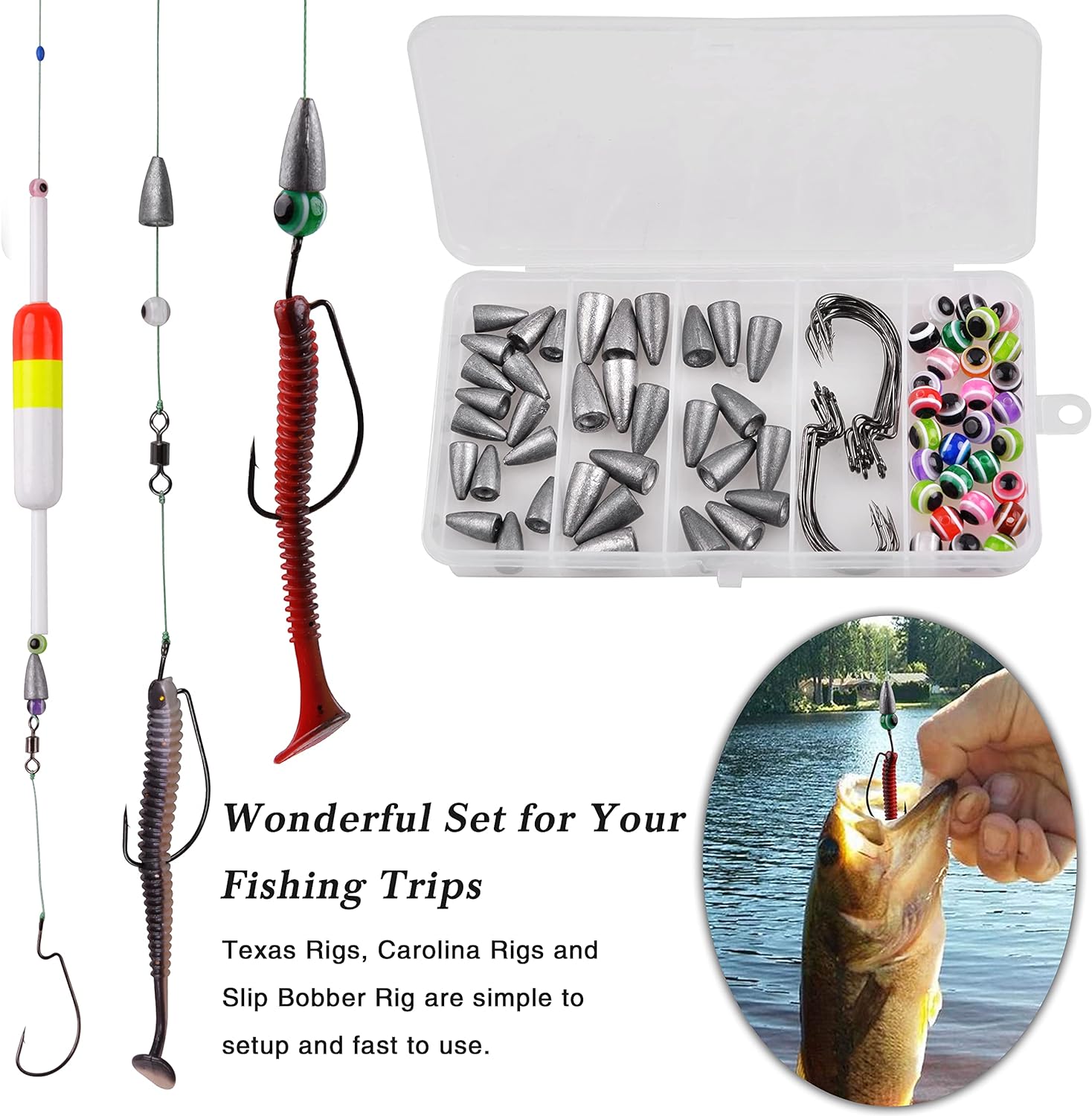
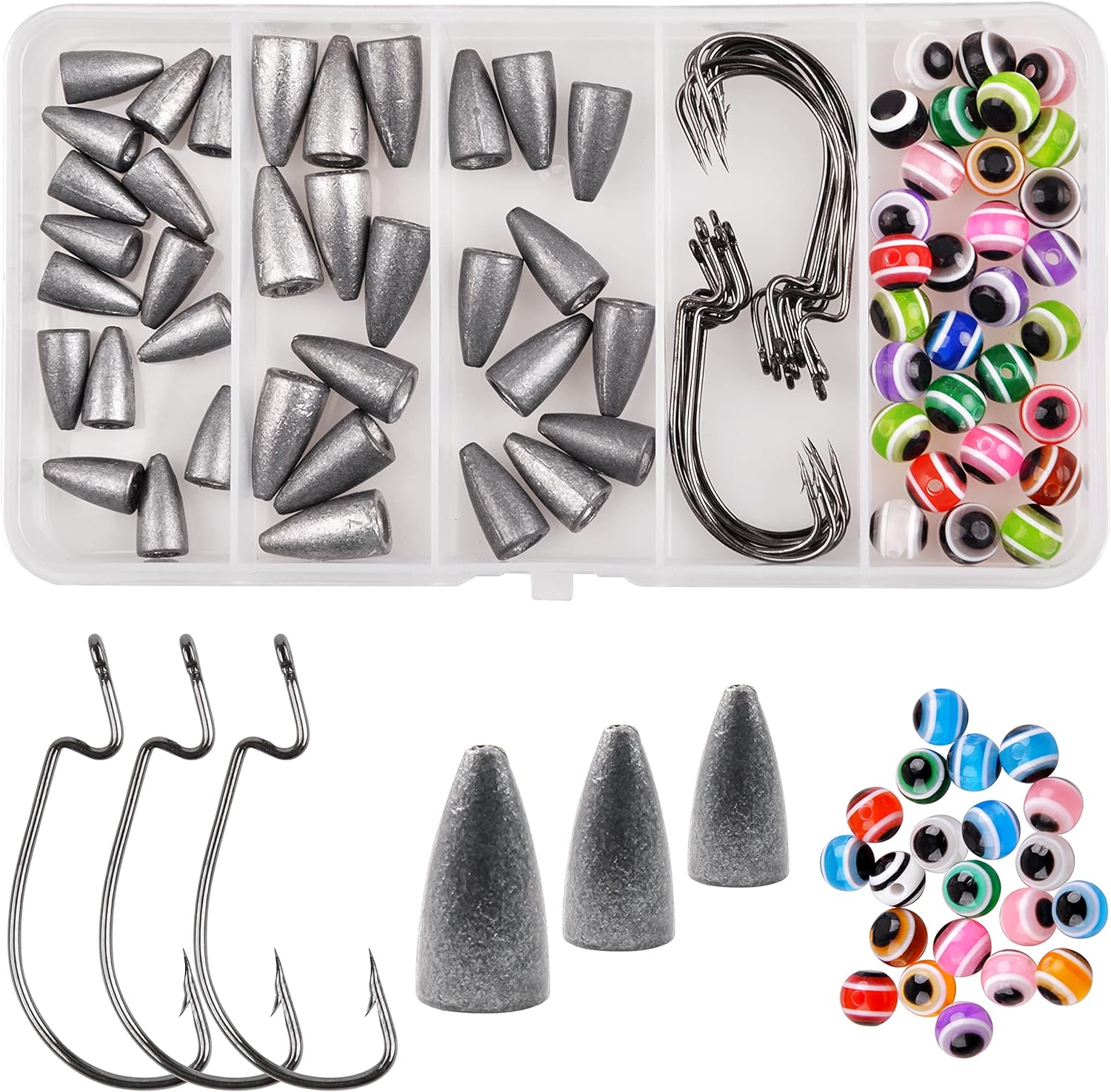
It involves a weight placed above the hook to sink the bait and give it a natural movement, making it ideal for targeting fish in a variety of underwater habitats, including heavy cover areas.

Fishing enthusiasts know the Texas Rig as a cornerstone technique in bass fishing, renowned for its effectiveness and versatility across varied underwater landscapes. 

This ultimate guide delves into the intricacies of the Texas Rig, providing anglers with the knowledge to harness this method’s full potential, whether navigating weed-infested waters or aiming for the elusive bass.

Setting Up Your Texas Rig – A Step-by-Step Guide

The foundation of a successful Texas Rig begins with its setup. The right hook and weight can make a significant difference in your fishing outcomes.

For starters, selecting a hook that complements the bait size and pairing it with the appropriate weight ensures a natural presentation, crucial for attracting bass. 

This segment will cover everything from the ideal hook selection, weight placement, and the significance of creating a weedless setup, ensuring your rig glides seamlessly through vegetation.

Setting up a Texas Rig involves a few simple steps to prepare your lure for effective bass fishing, especially in areas with lots of cover like weeds or submerged logs. Here’s a step-by-step guide to get you started:

  • 1. Gather Your Materials: You’ll need a soft plastic bait (such as a worm, lizard, or creature bait), a hook (offset worm hooks are commonly used for Texas rigs), a bullet weight (the size depends on your fishing conditions), and your fishing line.
  • 2. Slide the Bullet Weight onto Your Line: Begin by sliding the bullet weight onto your fishing line, pointy end first, so that it can move freely up and down the line. This weight will help your bait sink and give it a natural movement in the water.
  • 3. Tie the Hook to Your Line: Using your preferred fishing knot, tie the hook onto the end of your line. The Palomar knot is a popular choice for its strength and simplicity.
  • 4. Rig the Bait: Start by piercing the top of the bait with the hook point, about a quarter inch from the bait’s head. Push the hook through the bait and out the other side. Slide the bait up the hook toward the eyelet, rotating it so the head sits against the eyelet. This is where the “Texas” part comes in, making the setup weedless.
  • 5. Embed the Hook Point: Once the bait’s head is snug against the hook’s eyelet, you’ll need to determine where the hook point should come back through the bait for a weedless setup. Bend the bait slightly to find the spot where the hook should emerge if it were straight.
  • Then, push the point through the bait and out the other side. For a truly weedless presentation, pull the bait forward slightly and tuck the hook point back into the body, ensuring it’s barely covered by the bait material.
  • 6. Adjust for Weedlessness: Ensure the bait is straight on the hook to avoid spinning, which can turn fish off. The bait should look natural and streamlined. The hook point should be just under the surface of the bait, making it weedless yet easy for the hook to set when a fish bites.
  • 7. Final Check and Adjustments: Give your rig a final check. The weight should slide freely, allowing you to fish through cover without hang-ups, and the bait should be rigged straight for the best presentation and action in the water.

That’s it! You’ve successfully set up a Texas Rig. This setup is great for fishing in areas with lots of snags or vegetation because it minimizes the chances of getting caught up while still allowing the bait to move enticingly through the water, attracting bass. 

Practice makes perfect, so don’t hesitate to adjust your rig as you see fit based on the conditions you’re fishing in.

Enhancing Your Fishing Success with Advanced Techniques

Beyond the basic setup, mastering the Texas Rig requires an understanding of advanced techniques tailored to different fishing environments. 

This guide will explore strategies for maximizing the rig’s effectiveness, focusing on adapting to various conditions such as clear vs. murky water and fishing in heavy cover vs. open water.

 Learn how to adjust your retrieval speed, the importance of the rig’s presentation, and how to interpret underwater structures to position your bait enticingly.

Maximizing the effectiveness of the Texas Rig requires a deep understanding of how to adapt your approach to different fishing conditions. 

Whether you’re casting into clear or murky waters, navigating through heavy cover, or fishing in open water, the key to success lies in your ability to fine-tune your rig and techniques. 

Here’s a guide to help you enhance your Texas Rig fishing skills:

Adapting to Water Clarity

  • Clear Water: In clear water conditions, bass can be more visually alert and cautious. Opt for lighter weights, smaller hooks, and more natural-colored baits that mimic the local forage. 

The goal is to present your bait as subtly as possible to entice wary fish. Slow down your retrieval speed to give bass a longer look at your bait, increasing the chances of a strike.


  • Murky Water: In stained or murky waters, bass rely more on their lateral line to detect prey. Here, you can use larger, brightly colored baits and heavier weights to create more disturbance and vibration in the water.

    A faster retrieve can trigger reactive bites from bass using their heightened senses to hunt.

Fishing in Heavy Cover vs. Open Water

  • Heavy Cover: The Texas Rig shines in heavy cover due to its weedless nature. When fishing around weeds, brush, or submerged structures, use a heavier bullet weight to punch through vegetation and get your bait down to where the bass are hiding.

    A brisk, jerky retrieval motion can help your bait navigate through tight spots without getting snagged.
  • Open Water: In open water scenarios, a lighter weight may be more effective, allowing your bait to fall more slowly and naturally. This can be particularly effective in areas where bass are feeding on suspended baitfish.

    Use a steady retrieve with occasional pauses and twitches to mimic wounded prey, appealing to the opportunistic nature of bass.

Adjusting Your Retrieval Speed

The retrieval speed can dramatically affect the success of your Texas Rig. A slow, methodical retrieve is often effective in cooler water or when bass are less active.

In warmer conditions or when bass are aggressively feeding, a faster retrieve with intermittent stops and starts can provoke strikes.

Pay attention to the behavior of the fish and adjust your speed accordingly.

Importance of the Rig’s Presentation

The presentation of your Texas Rig is crucial. Ensure your bait is rigged straight on the hook to mimic the natural movement of prey. 

An off-kilter bait can spin unnaturally in the water, deterring fish. Experiment with different sizes and shapes of soft plastics to find what works best in your fishing conditions.

 Texas Rig Texas Rig kit

Interpreting Underwater Structures

Understanding how to read underwater structures is essential for positioning your bait effectively. Bass often use structures like rocks, fallen trees, and weed beds as ambush points.

Use your knowledge of the water body and any available technology (like sonar) to identify these hotspots. Cast beyond the structure and retrieve your bait past it, mimicking a fleeing or foraging creature. This strategy can trigger instinctive strikes from predatory bass.

By mastering these strategies and learning to adapt your Texas Rig setup and approach to various conditions, you’ll enhance your ability to target bass more effectively.

Remember, the key to success with the Texas Rig, as with any fishing technique, lies in observation, adaptation, and practice.

Conclusion

The Texas Rig is more than just a fishing technique; it’s a skill that, once mastered, can significantly enhance your angling success. By understanding the nuances of setup and learning to adapt to various environmental challenges, anglers can unlock the true potential of this versatile rig. 

Remember, the key to mastery lies in practice and experimentation, so don’t hesitate to try different combinations of gear and techniques to discover what works best for you and the specific conditions you face.

Embrace the journey of becoming a Texas Rig expert, and may your fishing adventures be fruitful and fulfilling.

This comprehensive guide aims to equip you with the knowledge and skills needed to master the Texas Rig, ensuring your next bass fishing excursion is your most successful yet.

The Beginner’s Guide to Successful Creek Fishing for Crappie

Understanding Crappie Behavior: Key to Successful Fishing

The Beginner’s Guide to Successful Creek Fishing for Crappie

Crappie fishing in creeks can be a highly rewarding experience, especially for beginners. Understanding the behavior of crappie is crucial. These fish are known for their tendency to seek cover and are primarily sight feeders.

They are attracted to areas with structures like fallen trees, stumps, and brush piles. Additionally, crappie behavior changes with the seasons, influencing their location in the creek. During spring, they move to shallow waters for spawning, while in summer, they prefer deeper, cooler waters.

Choosing the Right Equipment

Selecting appropriate gear is vital for creek fishing.

A light action rod is preferable, allowing for accurate casting and sensitivity to detect bites. Spincast or spinning reels are ideal for their ease of use, especially for novices.

When it comes to fishing line, a monofilament line with a test strength of 4 to 6 pounds is recommended. It offers the right balance of strength and flexibility. Hooks should be lightweight, with a size of 4 to 6 being optimal for crappie.

Effective Baits and Lures for Creek Fishing

Baits and lures play a significant role in crappie fishing.

Live minnows are highly effective, often used under a bobber or jigged along the bottom. For artificial baits, small jigs with bright colors or metallic finishes are successful in attracting crappie. In creeks, using smaller lures is often more effective due to the limited space and the crappie’s preference for smaller prey.

Experimenting with different baits and depths can significantly increase your chances of a good catch.

In conclusion, creek fishing for crappie is an excellent way for beginners to get started in the world of fishing. With the right knowledge about crappie behavior, proper equipment, and effective baits and lures, even novice anglers can enjoy the thrill of catching these popular fish. Remember, patience and persistence are key – enjoy your time by the creek and the unique experience it offers.

The Best Bass Lakes in West Texas

A Guide to Epic Fishing Adventures

West Texas, a region often overshadowed by its lush eastern counterpart, hides within its arid landscapes some of the most spectacular bass fishing spots. Known for their unique desert backdrop, these lakes offer an angling experience unlike any other. Here, fishing enthusiasts find themselves battling the prized largemouth bass amidst the serene beauty of the desert.

Lake Fork

Exploring West Texas’ Premier Bass Fishing Destinations

Here’s a table featuring some of the prominent bass lakes in West Texas along with their web addresses for more detailed information:

Lake Name Location Web Address
Lake Fork Approximately 5 hours from El Paso Lake Fork Info
Lake Amistad Near Del Rio, bordering Mexico Lake Amistad Info
Lake O.H. Ivie East of San Angelo, Central Texas Lake O.H. Ivie Info

Lake Fork: Often hailed as a top bass fishing destination nationwide, Lake Fork is synonymous with trophy bass fishing. Its abundant vegetation and deep waters provide the perfect habitat for largemouth bass.

Location: Approximately 5 hours drive from El Paso, Texas.

More about Lake Fork

Lake Amistad: Known for its clear waters and scenic beauty, Lake Amistad is a haven for anglers seeking both quantity and quality in bass fishing.

Location: Near Del Rio, Texas, bordering Mexico.

More about Lake Amistad

Lake O.H. Ivie: A lesser-known gem, this lake often surprises with its bass fishing potential, offering a quieter, yet equally rewarding experience.

Location: Central Texas, East of San Angelo.

More about Lake O.H. Ivie

Combining Comfort with Adventure: Where to Stay and Fish

West Texas not only promises exceptional fishing but also offers a range of accommodations. From luxurious lodges to cozy bed and breakfasts near these lakes, anglers can enjoy a comfortable stay after a day out in the waters. Emulating the Select Registry approach, these accommodations provide the perfect blend of outdoor adventure and homely comfort.

Best Practices and Fishing Tips

Drawing inspiration from Bass Online, it’s crucial to be well-prepared for a desert fishing adventure. Key considerations include the right fishing gear, understanding the best times for fishing, and familiarizing oneself with effective techniques specific to the desert lakes of West Texas. Whether you’re aiming for the trophy bass or just a day of leisurely fishing, these tips ensure a rewarding experience.

Conclusion

The bass lakes of West Texas, with their unique desert backdrop, are a must-visit for any fishing enthusiast. They offer not just the thrill of the catch but also a chance to experience the serene beauty of the Texan desert. Whether it’s the renowned Lake Fork or the tranquil waters of Lake O.H. Ivie, each lake promises a memorable fishing journey.

More about Lake Fork


Discovering the Joys of Fishing

Why Do People Go Fishing

Why Do People Go Fishing

People are drawn to fishing for various reasons. Some seek the thrill of the catch, others cherish the tranquility of being near water, and many appreciate the opportunity to disconnect from technology and reconnect with nature. This segment will delve into these motivations, drawing from personal anecdotes and expert opinions to paint a vivid picture of the allure of fishing.

The Therapeutic Benefits of Fishing

Fishing stands out as a peaceful escape from the fast-paced world. It encourages patience, provides stress relief, and fosters a unique connection with nature. This section will detail how fishing improves focus, reduces anxiety, and promotes physical fitness, making it a holistic activity for improving overall health.

Fishing as a Bonding Activity

Beyond the solitary peace it offers, fishing is a profound communal activity. It brings together families, friends, and communities, creating lasting memories and strengthening relationships. This part of the article will explore personal stories and experiences that highlight the deep emotional connections fostered through fishing trips and shared outdoor experiences.

Learning and Growth Through Fishing

Fishing is not just about catching fish; it’s a journey of continuous learning and skill development. From understanding different fish species to mastering various fishing techniques, this activity offers endless opportunities for personal growth. This section will discuss how fishing can be a lifelong pursuit of knowledge and skill, appealing to beginners and seasoned anglers alike.

The Role of Fishing in Environmental Awareness

Fishing also plays a crucial role in promoting environmental conservation. Anglers often become advocates for sustainable practices and protectors of aquatic ecosystems. This part will highlight how fishing can lead to a greater understanding of environmental issues and inspire actions to preserve our natural waterways.

Conclusion

Fishing is more than a hobby; it’s a passion that nurtures the soul, enhances relationships, and connects us more deeply to the natural world. Through this guide, we hope to inspire both seasoned anglers and those new to the sport to embrace the myriad joys that fishing has to offer.

Back to Top